
RENDANG IS NO LONGER INDONESIA'S BEST FOOD. TASTEATLAS SAYS IT'S SATE KAMBING.
Rendang just lost its crown. TasteAtlas named sate kambing Indonesia's best food for 2026 here's why, and where to eat it.
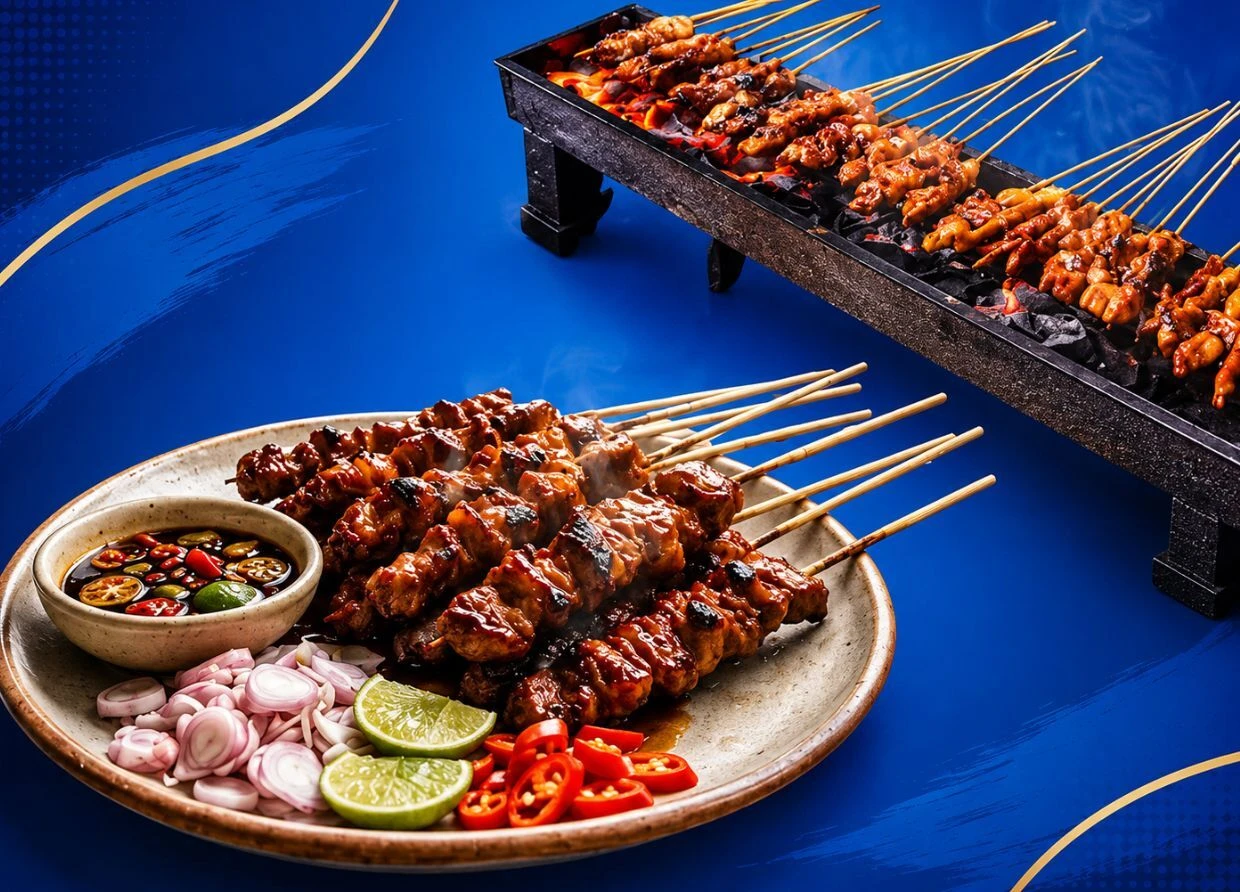





For years, if someone asked you to name Indonesia's best dish, you said rendang without thinking. On July 22, 2026, TasteAtlas quietly rewrote that answer. Sate kambing smoky, sweet, slightly charred goat skewers you've eaten at a hundred street carts is now ranked the number one food in Indonesia. Rendang didn't just lose the top spot. It fell out of the top 10 entirely.
AT A GLANCE
- Rank: #1 on TasteAtlas's Best Indonesian Foods 2026 list, rating 4.5/5
- Released: July 22, 2026
- Runners-up: Soto Betawi (#2), siomay (#3), batagor (#4)
- Global context: Sate kambing also placed in TasteAtlas's global Top 5 Best Dishes in January 2026, alongside Turkey's Cağ Kebab and Italy's Pizza Napoletana
TasteAtlas is the Croatia-based food and travel platform that crowdsources dish rankings from its global user base, then filters out bot and "patriotic" voting to weight scores toward reviewers it judges knowledgeable. This isn't a random internet poll it's the same methodology that's made TasteAtlas a reference point for food media worldwide, including Indonesian outlets like Detik and Beautynesia, which both covered the ranking this week.
What Exactly Is Sate Kambing?
Sate kambing is goat meat, cubed and marinated in a mix of kecap manis (sweet soy sauce), galangal, minced shallots, and chili sometimes with a splash of pineapple juice to tenderize the meat. It's skewered on bamboo, grilled over charcoal until the edges char slightly, then served with more sweet soy sauce and a plate of steamed rice. The dish is especially popular across Java and surges every Idul Adha, when fresh goat meat is everywhere.
What makes it work isn't complexity it's contrast. The char gives a bitter, smoky edge. The kecap manis brings sweetness. The chili cuts through the fat. That's the whole trick, and apparently it's enough to beat out rendang's slow-cooked coconut-and-spice richness.
Why Did Rendang Drop Out of the Top 10?
TasteAtlas hasn't published a detailed explanation for individual rank shifts its scores move with fresh reviews each cycle, and rendang's absence from the July 2026 top 10 reflects newer ratings pulling other dishes ahead, not a formal demotion notice. Soto Betawi and siomay both climbed into second and third with 4.4-plus ratings, suggesting Jakarta and Bandung street food had a strong review cycle this year.
"Sate kambing sangat populer di Jawa," notes GoodStats in its May 2026 coverage of TasteAtlas street food rankings a reminder that this dish's dominance isn't new, just newly official.
Why Tegal Is Ground Zero for Sate Kambing
If one city gets credit for sate kambing's reputation, it's Tegal, Central Java. Local warungs there use young goat meat under three months old known as batibul which grills up tender with almost none of the gamey smell that puts people off older goat meat. That's the technical reason Tegal's version tastes different from sate kambing elsewhere.
A few names come up again and again as Tegal's best:
Sate Kambing Muda Wendy's, on Jl. Kapten Ismail / Jl. Letjen Suprapto, is widely called the most legendary regulars include local celebrities and officials, and the batibul meat is famously soft with sauce that's fully absorbed into the meat.
Sate Kambing Muda Cempe Lemu has grown to six branches across Tegal, known for thick-cut slices and a full menu beyond satay tongseng, gulai, sop, and asem-asem kambing all at street-food prices.
Sate Batibul Bang Awi, running since 1996 out of Adiwerna, is one of the oldest continuously operating warungs, still doing the classic combo of sweet soy sauce, sliced tomato, shallots, and crushed bird's-eye chili.
The Full Top 10
Behind sate kambing, the list runs: Soto Betawi, siomay, batagor, pisang goreng, nasi goreng ayam, bubur ayam, perkedel, ayam goreng, and klepon closing out the ten. It's a list dominated by street food, not restaurant fare proof that TasteAtlas's Indonesian audience rates accessibility as highly as prestige.