INDONESIA'S ASIAN GAMES 2026 UNIFORM ISN'T JUST SPORTSWEAR IT'S A 45-YEAR FASHION LEGACY ON THE TRACK
Indonesia's Asian Games 2026 uniform blends Toba's Gorga carvings and South Sumatra's Limar weave designer Ghea Panggabean's first-ever sportswear project.


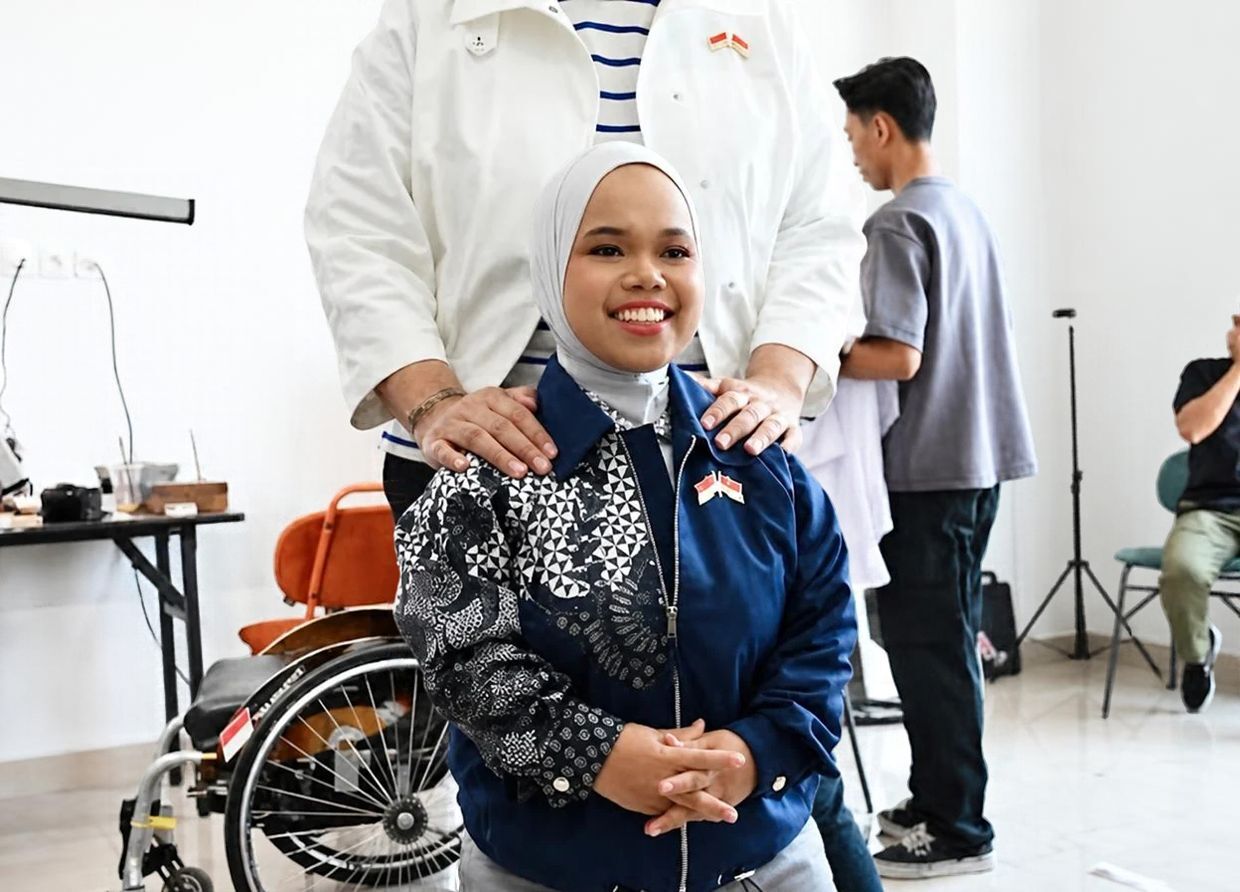
A basketball jersey doesn't usually carry a story about wood carving from a lake in North Sumatra. This one does.
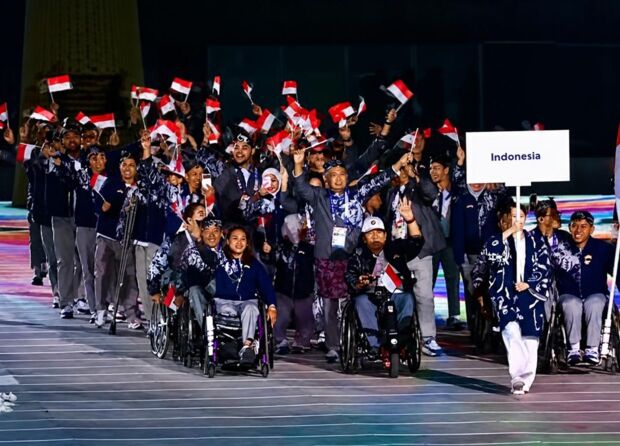
On Thursday, September 3, 2026, Indonesia's official Asian Games uniform for the 20th Asian Games Aichi-Nagoya 2026 was unveiled and it's the first time veteran designer Ghea Panggabean has ever touched sportswear. In her 45th year working with Indonesian textiles, she chose to debut in a category she'd never designed for: athletic performance wear.
At a glance:
- 432 athletes will wear the kit at Asian Games Aichi-Nagoya 2026
- Games run September 19 – October 4, 2026, in Japan
- Uniform launched September 3, 2026, in Jakarta
- Two textile motifs used: Gorga (Toba) and Limar (South Sumatra)
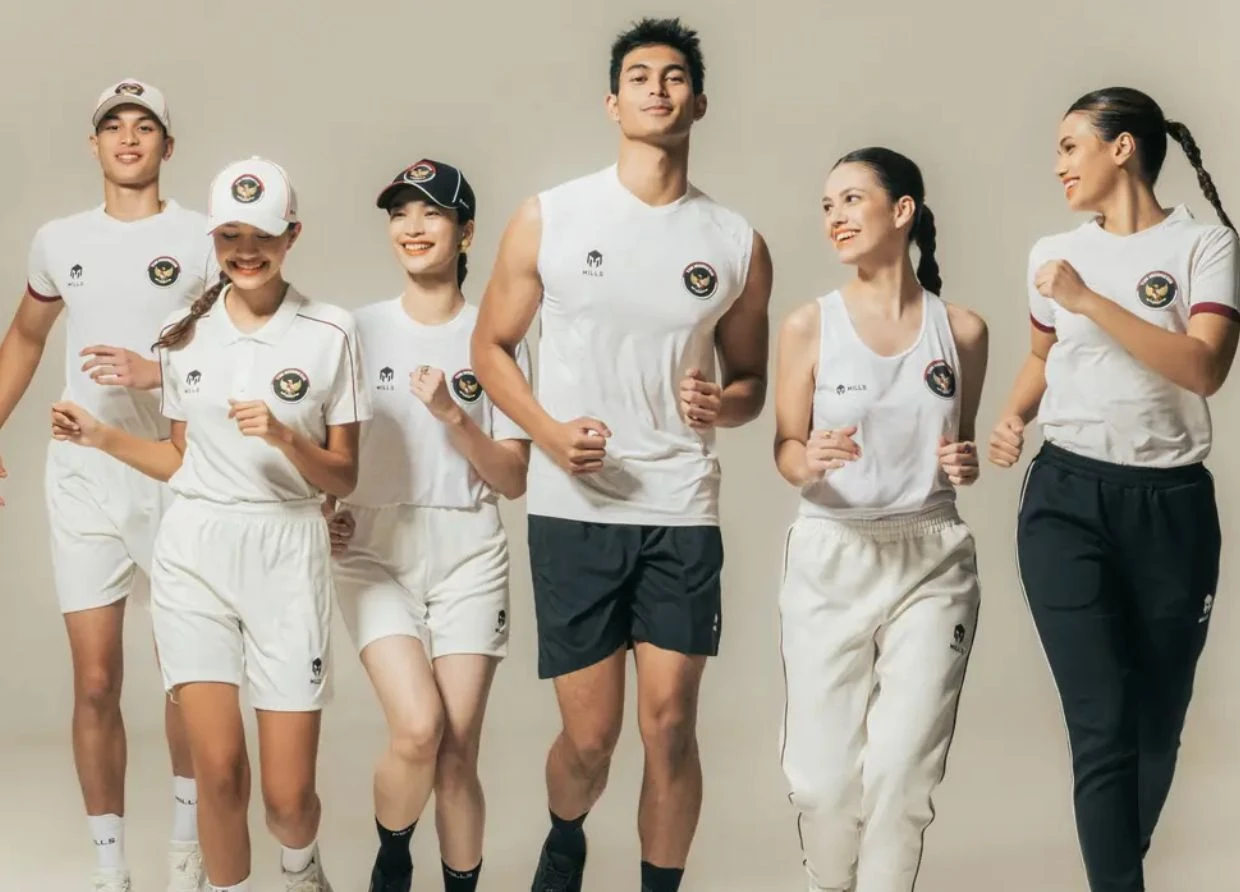
The uniform was developed by Sarinah as design curator, working with Mills as the Official Apparel Partner, and Ghea Panggabean through Ghea Fashion Studio. Together they built a kit that layers two heritage motifs the sharp geometric Gorga wood-carving patterns from Lake Toba and the flowing Limar weave from South Sumatra over technical fabrics meant for competition, not runways.
View this post on Instagram
What Do the Gorda and Limar Motifs Represent?
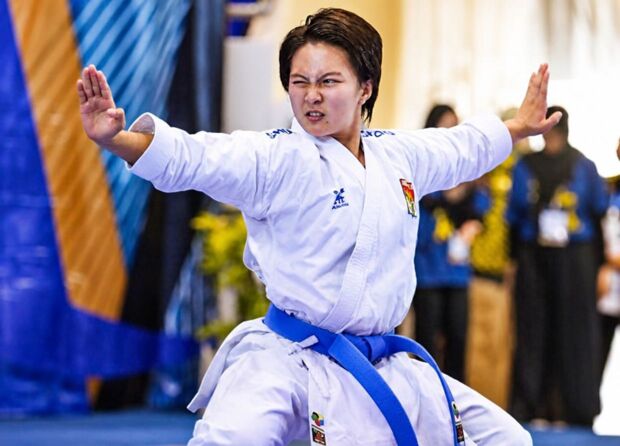
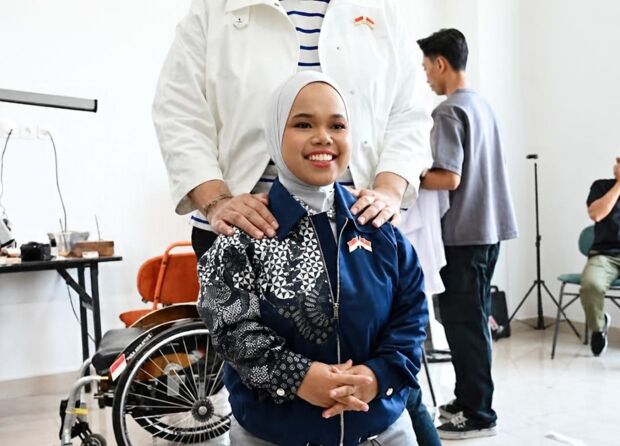
Gorga is traditional Batak carving, usually seen on wooden houses and ceremonial objects around Lake Toba. On the jerseys, it shows up as sharp linework across the chest and sleeves, meant to signal strength and protection. Limar, a supplementary-weft weaving technique from South Sumatra, appears in the collection's flowing scarf-and-drape pieces a nod to honor and excellence. Together, the collection carries the tagline "Woven by Hope. Strengthened by the Same Spirit. Carrying Indonesia in Every Step."
"Designing uniforms for our sports ambassadors is an extraordinary honor. Gorga symbolizes strength and protection, while Limar represents honor and excellence," said Ghea Panggabean.
View this post on Instagram
Who's Actually Behind This Collaboration?
Three organizations share credit. Sarinah, the state-owned retailer better known for batik and Nusantara crafts, curated the overall design direction. Mills, a domestic sportswear manufacturer, handled the technical apparel engineering turning heritage motifs into fabric that can survive a basketball match or a 10K run. And Ghea Panggabean, one of Indonesia's most established fashion names, translated the textile references into the actual silhouettes.
NOC Indonesia chairman Raja Sapta Oktohari framed the kit as more than kit. "Every time our athletes wear this apparel, there's a story about Indonesia that travels with them," he said, according to a statement carried by Okezone Sports.
View this post on Instagram
Why Does an Athlete's Jersey Need a Backstory at All?
Because the alternative is a plain red-and-white polyester shirt nobody remembers. The collection spans nine looks tracksuits, basketball jerseys, polos, red training tops all photographed on a neutral studio set, and released across Indonesian sports and lifestyle media within hours of launch. Sarinah president director Raisha Syarfuan said the goal was for Nusantara heritage to "continue to be present and competitive on the global stage."
The surprising part: this is Ghea Panggabean's first-ever sportswear commission after four and a half decades in fashion meaning a designer known for ceremonial batik just had to solve problems like moisture-wicking and range of motion for the first time, at 45 years into her career.
How Much Does It Cost or Where Can I Buy It?
The uniform is not sold commercially it's official competition and ceremonial wear issued to the 432-member Team Indonesia contingent for Asian Games Aichi-Nagoya 2026, not a retail product. There's no public price tag because there's no public sale.