KWIBOHORA 32 JAKARTA: RWANDA'S CULTURAL DIPLOMACY NIGHT
How Rwanda's Embassy in Jakarta turned Kwibohora 32 into a cultural bridge with Indonesia music, diplomacy, and a very danceable diplomatic corps.
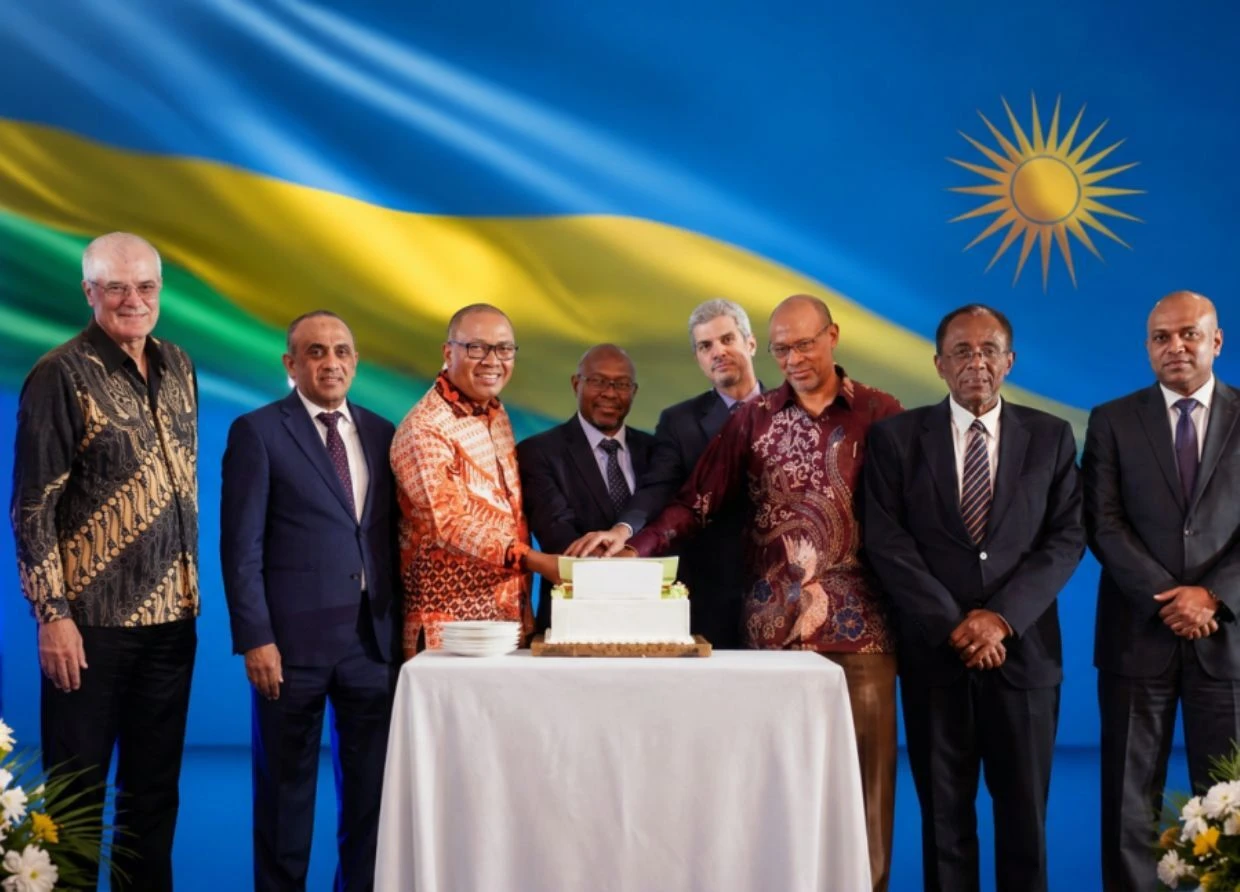


Sheikh Abdul Karim Harelimana didn't give a speech that sounded like a speech. He talked about liberation as an "ongoing responsibility" then handed the stage to a guitarist named Ruti Joel, who had the Indonesian diplomatic corps singing in Kinyarwanda within minutes. That's not how most embassy events go. This one wasn't most embassy events.
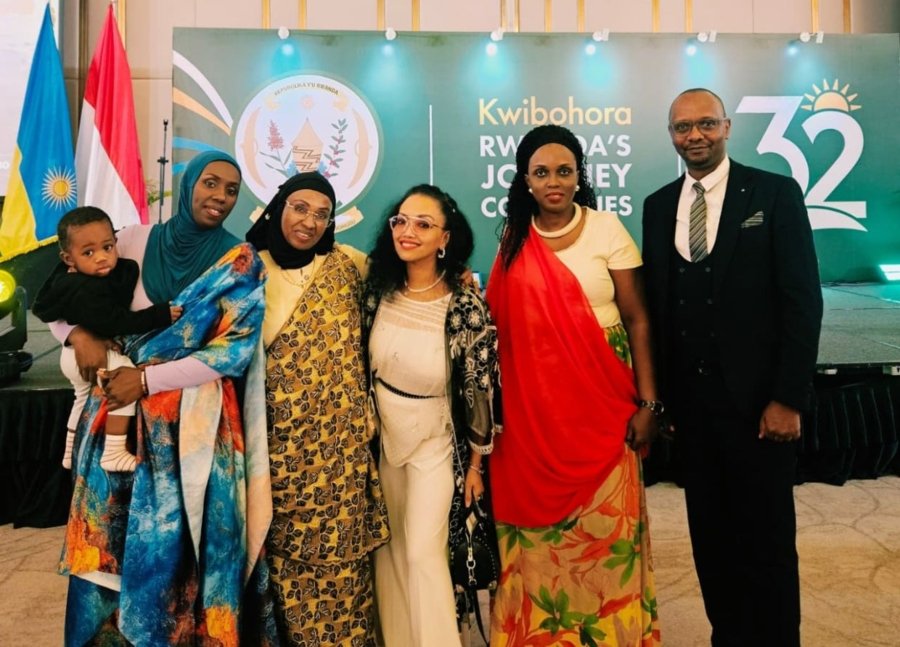
What happened: The Embassy of the Republic of Rwanda in Indonesia marked Kwibohora 32 the 32nd anniversary of Rwanda's Liberation Day with a two-day celebration in Jakarta on 17–18 July 2026. Who attended: Indonesian government officials, members of the diplomatic corps, international organization representatives, the local Rwandan community, and friends of Rwanda. Where: Jakarta. Theme: "Rwanda's Journey Continues." How much it cost to attend: the event was hosted by the Embassy and was not a ticketed public event.
At a Glance
- 32nd anniversary of Rwanda's Liberation Day
- 2 days of programming: 17–18 July 2026
- 1994 the year of the Genocide against the Tutsi that Kwibohora commemorates
- Featured performer: Ruti Joel, backed by the Agora Band
What Is Kwibohora, and Why Does Rwanda Celebrate It Abroad ?
Kwibohora marks the end of the 1994 Genocide against the Tutsi and the start of Rwanda's rebuilding. It's not framed as a static memorial. Ambassador Harelimana called it a marker of unity, resilience, and hope as Rwanda works to build a better future for coming generations.
Embassies hold Kwibohora events worldwide, but the Jakarta version leaned harder into culture than protocol. Instead of only speeches, the centerpiece was a live performance of Gakondo Rwanda's traditional musical style reworked for a contemporary audience.
Who Spoke, and What Did They Actually Say?
Santo Darmosumarto, Director General for Asia-Pacific and African Affairs at Indonesia's Ministry of Foreign Affairs, represented the Indonesian government. He didn't just offer courtesy remarks he framed Rwanda's recovery as a reference point for other nations, noting that peace, reconciliation, and development must always go hand in hand.
"Ruti Joel's performance in the Kwibohora 32 celebration in Jakarta marked an important milestone in Rwanda's cultural diplomacy in Indonesia. Seeing guests dance together with Ruti Joel and the Ambassador of Rwanda demonstrated that culture is a universal language capable of bringing people together." Gilang Syahbani, Communication & IT Officer, Embassy of the Republic of Rwanda in Indonesia.
Why a Concert Instead of Just a Ceremony?
This is the counterintuitive part: an anniversary rooted in genocide and recovery was marked with dancing, not silence. That's deliberate. The embassy used the performance as a cultural diplomacy tool a way to make Rwandan identity legible to Indonesian guests who may know little about the country beyond headlines.
Musician Ruti Joel, known for keeping Gakondo alive for younger generations, put it simply: culture, music, and technology are how a country shares itself with the world without needing a translator.
The room's texture backed that up. Guests moved from formal remarks and a Kwibohora-branded sheet cake decorated with the Rwandan flag straight into call-and-response singing, with the Ambassador himself joining the dance floor.