INDONESIAN BATIK PATTERNS YOU SHOULD KNOW, AND THE STORIES BEHIND THEM
Learn 8 Indonesian batik patterns, from Parang to Besurek, and the regional stories behind each one. A quick guide for National Batik Day.
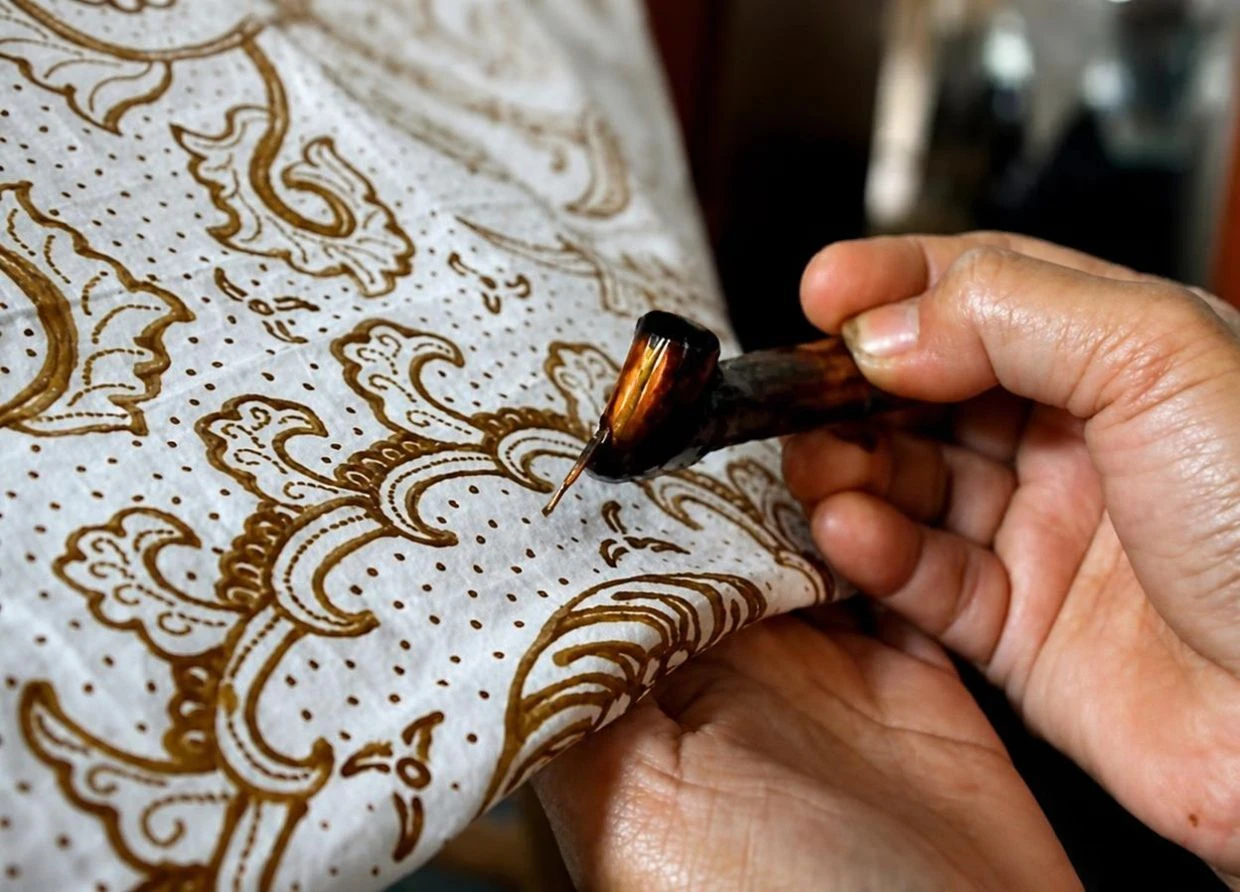


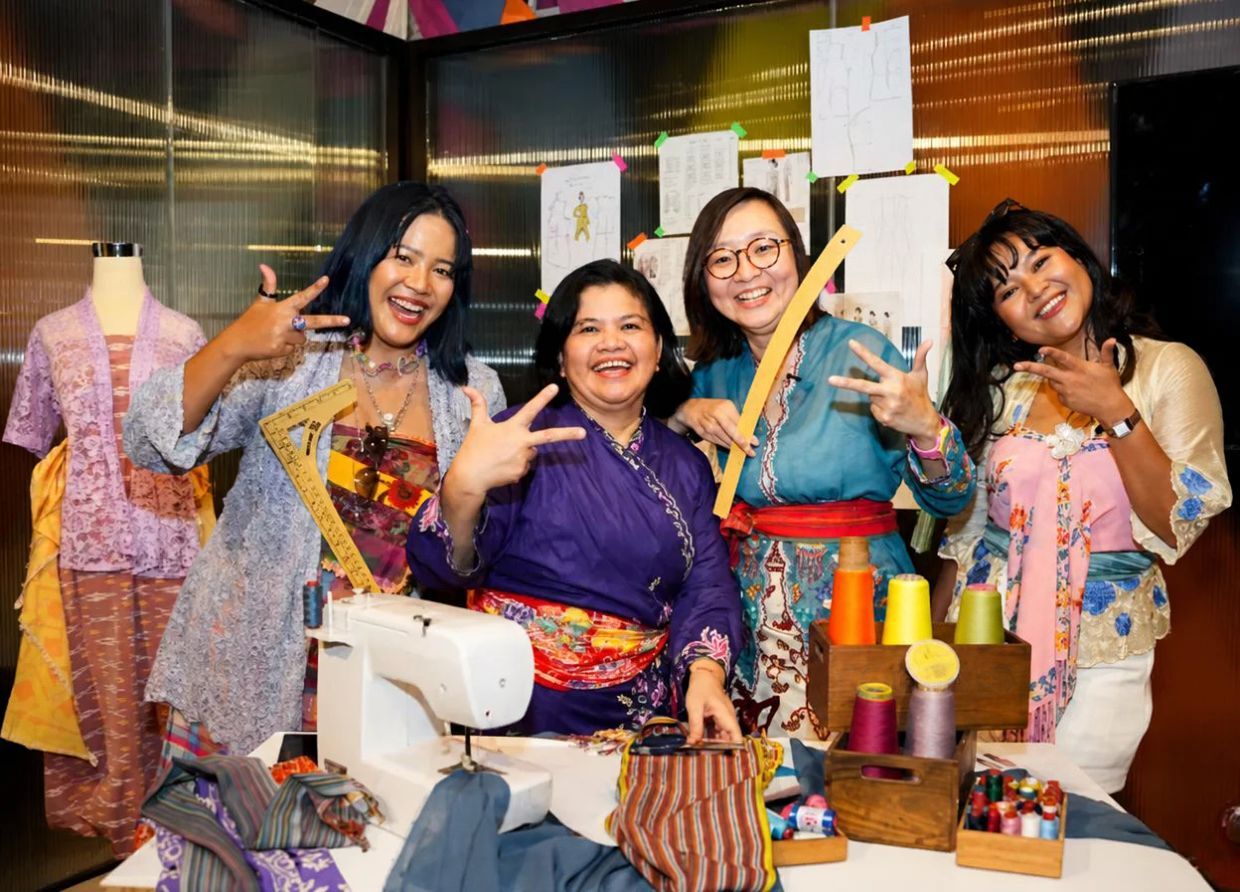

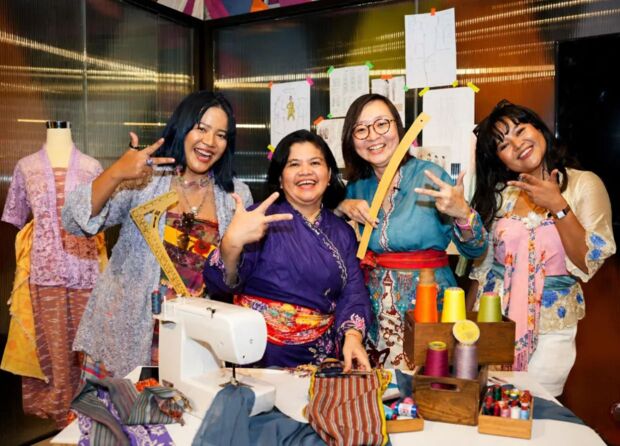
Here is something many people get wrong: batik is not a pattern. It is a method. Artists draw on cloth with hot wax, dye the fabric, and the waxed lines stay clear. A good workshop smells of warm wax and sounds like a pen scratching softly on cotton.
The patterns are what make each region unique. Learning a few Indonesian batik patterns is like learning to read a map in fabric.
What Is Indonesian Batik?
Indonesian batik is a wax-resist textile craft practised by artisans in regions such as Central Java, West Java, Central Kalimantan and Bengkulu. UNESCO recognised it as an Intangible Cultural Heritage of Humanity in 2009, and Indonesia celebrates National Batik Day every 2 October. Price depends on the method: hand-drawn cloth takes longer and costs more than stamped or printed cloth, while learning the patterns costs nothing.
At a glance
- 2009: the year UNESCO recognised Indonesian batik
- 2 October: National Batik Day
- 8: patterns in this guide
- 6: provinces they come from
Which Batik Patterns Come From Central Java?
Start with Batik Parang, the classic of Yogyakarta and Solo. Its diagonal lines are traditionally linked to strength, determination and perseverance. If you see bold slanted shapes, you are probably looking at Parang.
Next is Batik Jlamprang from Pekalongan. It repeats star-like geometric shapes, and its design reflects the city's history as a coastal trading port.
Pekalongan also gives us Batik Buketan. It shows bouquets of flowers, and it carries the cross-cultural influences that shaped the city's coastal batik tradition.
"Every piece carries a story of its own." Wonderful Indonesia
View this post on Instagram
What Do Batik Patterns From West Java and the Islands Look Like?
Batik Mega Mendung comes from Cirebon in West Java. Its layered clouds, often in shades of blue, are associated with patience and calmness. It is one of the easiest patterns to recognise.
Far to the east, Batik Sasambo takes its name from three groups: Sasak, Samawa and Mbojo. It brings together motifs from West Nusa Tenggara, from traditional homes to local nature and everyday life.
Batik Cual comes from Bangka Belitung. It is known for detailed motifs inspired by local culture and the island's natural surroundings.
How Do Kalimantan and Bengkulu Tell Their Stories?
Batik Benang Bintik from Central Kalimantan is shaped by Dayak Ngaju culture and Kaharingan beliefs. Its motifs include the Batang Garing and the Talawang. Here, batik works like a record of what a community believes.
Then comes the surprise. Batik Besurek from Bengkulu mixes abstract calligraphy shapes with the Rafflesia, a giant native flower. The Rafflesia is famous for smelling like rotting meat, yet it became the centre of one of Indonesia's most elegant heirloom fabrics.
How Can You Spot the Difference?
Ask two simple questions. First, where does the motif come from? A coastal city like Pekalongan often shows trade and flower influences, while Kalimantan leans toward belief and nature. Second, what is the shape doing? Diagonals suggest Parang, clouds suggest Cirebon, stars suggest Jlamprang.
You will not master all of them in one day. But the next time someone wears batik, you will start to notice which region's story they are carrying.