WASTRA INDONESIA: NOT EVERY TRADITIONAL CLOTH IS BATIK
Not all Indonesian cloth is batik. Learn the real differences between batik, songket, ulos, endek, and tapis Indonesia's wastra explained simply.


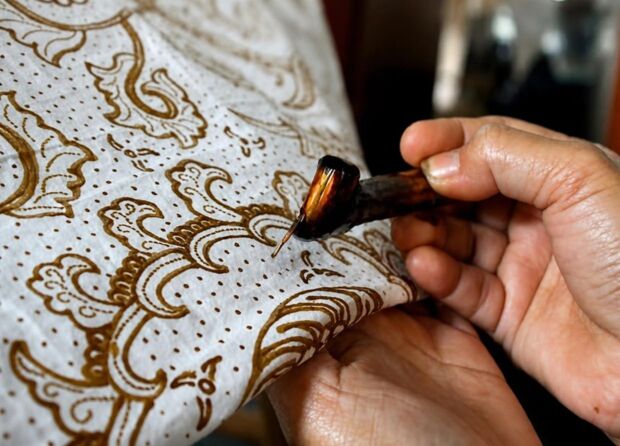
A hand moves a small copper tool across white cloth, dripping hot wax in slow, deliberate lines. That's batik. Two rows over, a woman on a wooden loom threads gold-wrapped yarn between the warp that's songket, and it has nothing to do with wax at all.
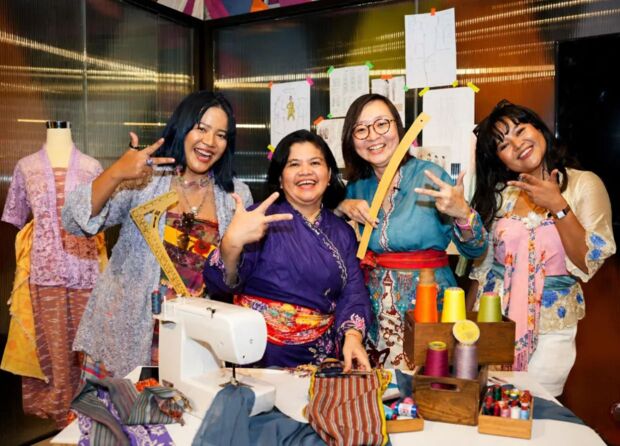
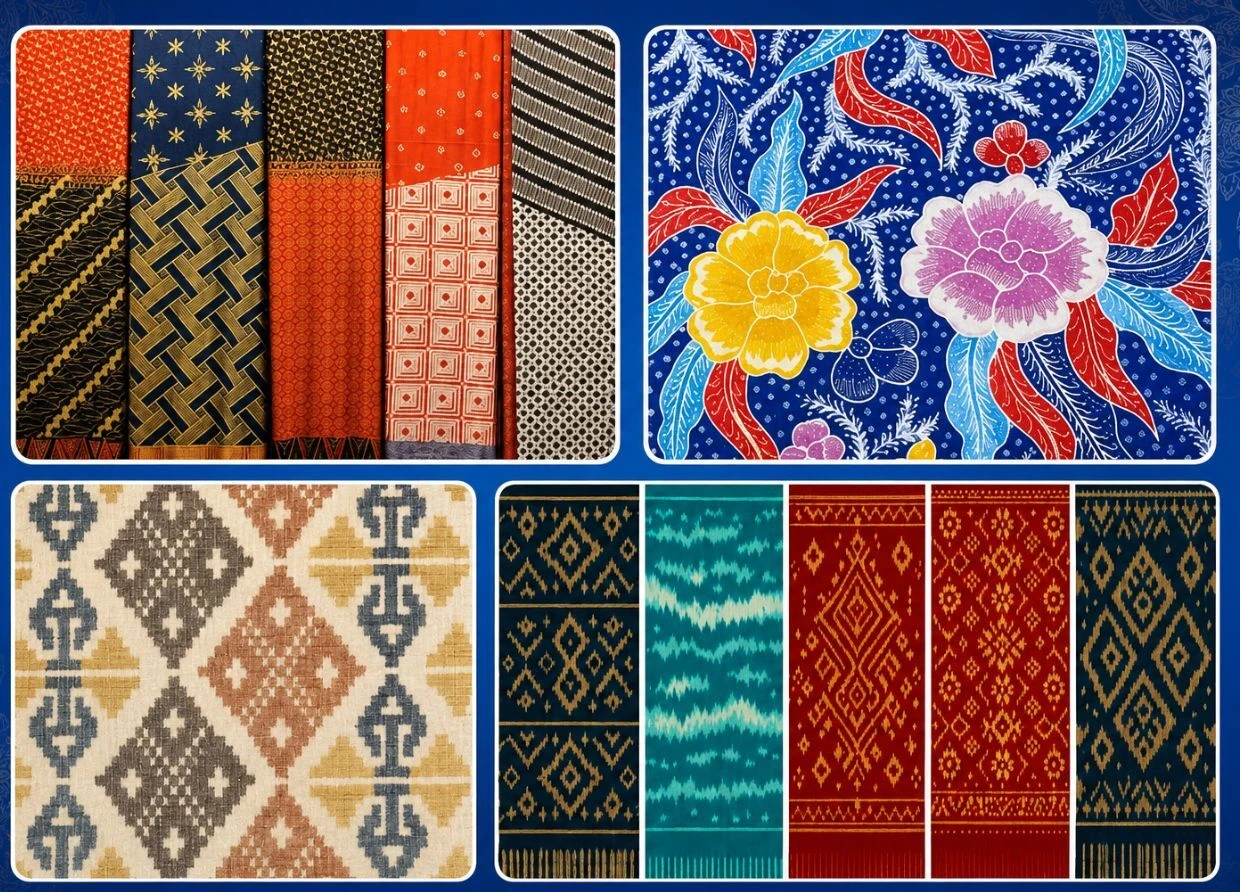
This mix-up happens constantly. Indonesians casually call almost any patterned, hand-loomed fabric "batik," the same way people call any tissue a "Kleenex." But wastra Indonesia the umbrella term for the country's traditional textiles covers at least five distinct techniques, each tied to a specific region, community, and set of hands.
At a glance:
- 5 major wastra types highlighted: batik, songket, ulos, endek, tapis
- Batik uses a wax-resist dyeing technique (malam/wax), not weaving
- Endek comes from Bali and is typically made using the ikat weaving method
- Tapis is Lampung's cloth, identifiable by gold-thread embroidery
Wastra Indonesia
refers to the country's traditional woven and dyed textiles, produced by artisan communities across the archipelago from Java to Bali, North Sumatra to Lampung using techniques passed down for generations, with pieces ranging from a few hundred thousand rupiah for machine-assisted versions to tens of millions of rupiah for fully handmade, museum-grade cloth.
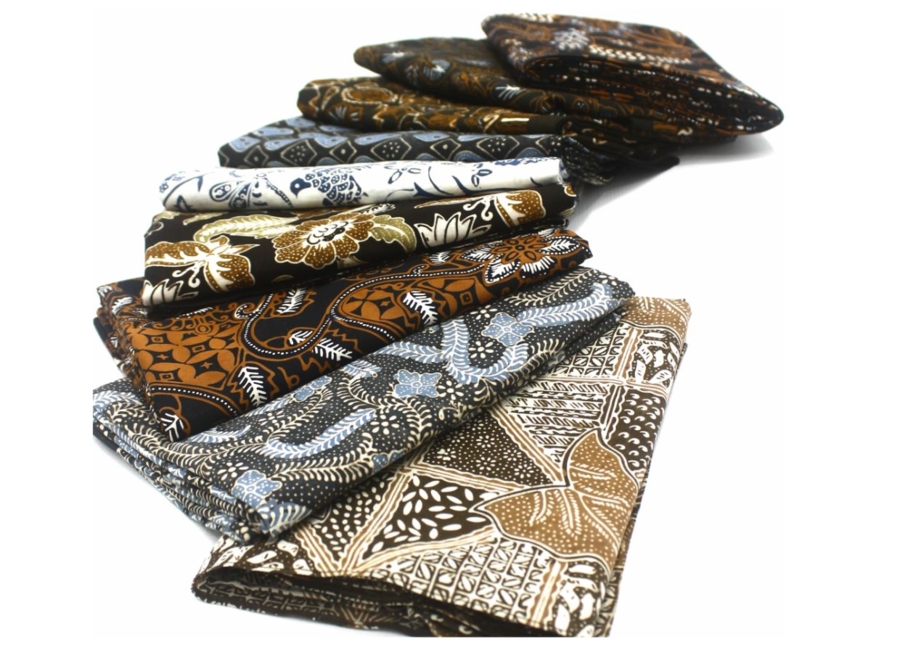
Credit : Wastra-Nusantara
What makes batik different from other wastra?
Batik is defined by how the pattern is made, not what it looks like. Artisans apply hot wax to cloth with a tool called a canting, then dye the fabric the waxed areas resist the color, creating the design. Peel the wax off, and the pattern is locked in. No loom required at this stage.
What is songket, and why isn't it a batik motif?
Songket is a weaving tradition, not a pattern name. It's cloth woven with extra threads often real or imitation gold and silver inserted into the base weave to build raised, decorative motifs. You'll find songket across Sumatra, Bali, and parts of Kalimantan, each region with its own signature motifs.
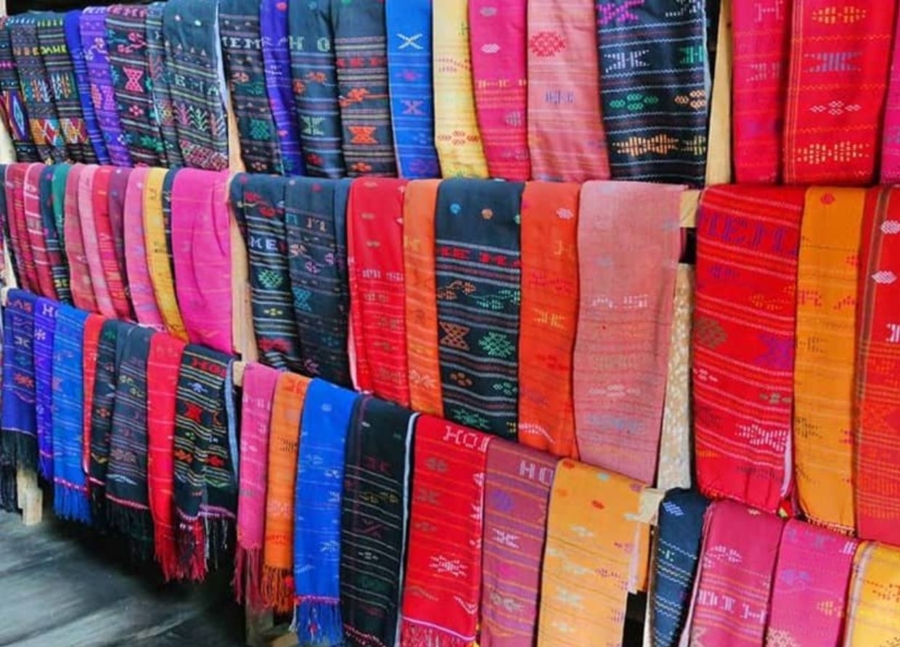
Credit : www.inouiprint.com
What does ulos mean to the Batak community?
Ulos is a hand-woven cloth deeply tied to Batak tradition in North Sumatra. It's not just decorative ulos carries specific social and ceremonial meaning, gifted at weddings, births, and funerals, with the type of ulos signaling the giver's relationship to the recipient.
How is endek from Bali made?
Endek is Bali's traditional woven cloth, generally produced using the ikat technique, where threads are tie-dyed before weaving to create the pattern. It shows up in temple ceremonies and, increasingly, in contemporary fashion collections.
What makes tapis from Lampung recognizable?
Tapis is Lampung's traditional cloth, easiest to spot by its embroidery and appliqué work, frequently using gold thread, layered over hand-woven fabric in motifs specific to Lampung's customs.
The surprising part: none of these are "types of batik." They're five separate craft traditions that happen to share a country and mixing them up is a little like calling every Italian pasta "spaghetti."