HOW A BOGOR ARTIST TURNED PINEAPPLE LEAF WASTE INTO AN AWARD-WINNING GOWN IN AUSTRALIA
Bogor artist Laras Andriyani turned pineapple leaf waste into "Silent Luminous," winning the Avant Garde award at Australia's 2026 Wearable Art Festival.



A pile of dried pineapple leaves is usually farm trash. Bogor-based artist Laras Andriyani spun hers into yarn, crocheted it by hand, and sent it down a runway in Queensland where it beat dozens of entries to win an international award.
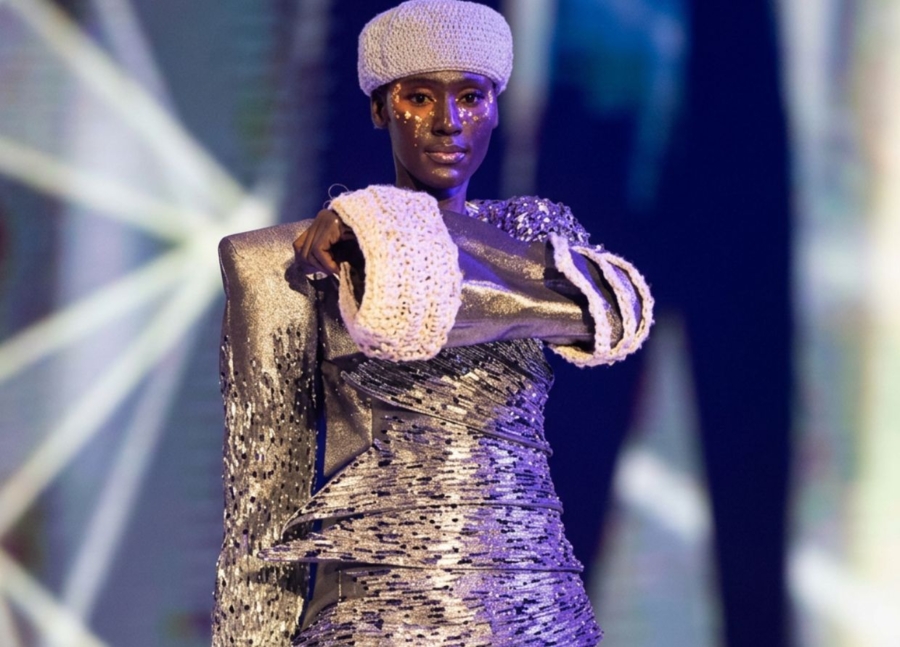
Her piece, "Silent Luminous," took out the Avant Garde category at the 2026 Australian Wearable Art Festival (AWAF), one of the most closely watched pineapple leaf fiber fashion showcases in the wearable art world right now. The garment paired hand-spun pineapple fiber with recycled jacquard fabric, beads, Swarovski crystal elements, and leftover bobbin cases from a made-to-measure atelier pieces that would otherwise have ended up in landfill.
Quick facts: Laras Andriyani, artist from Bogor, West Java won the Avant Garde category at the 2026 Australian Wearable Art Festival held Saturday, July 11, 2026,
at Novotel Sunshine Coast Resort, Queensland total 2026 prize pool across all categories: AUD $15,500 piece title: "Silent Luminous," built around pineapple leaf fiber and repurposed production offcuts.
Credit : Instagram Australianwearableart
What is Silent Luminous, the piece that won her the award?
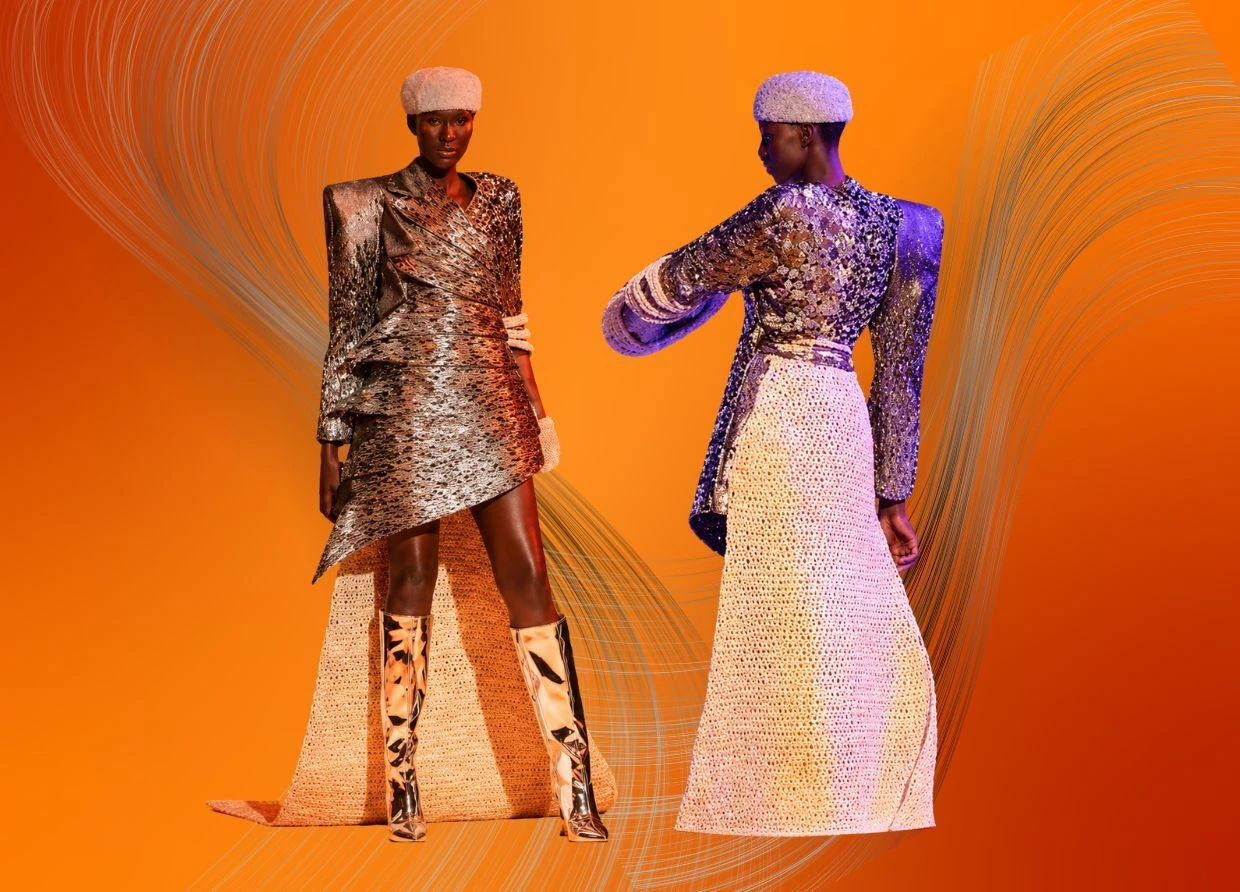
"Silent Luminous" is a wearable sculpture, not a dress you'd wear to dinner. Its base is a woven, oat-colored armor-like structure that wraps the model from headpiece to boot, built up from crocheted pineapple fiber yarn that took a hand-spinning process to produce.
Metallic sequin panels and silver knee-high boots cut against the raw, textured fiber, so the piece reads as part warrior costume, part couture. The story behind it draws on Saint Joan of Arc armor as a symbol of a woman choosing her own path rather than the one handed to her.
Laras Andriyani described the work in personal terms in the piece's official press release, saying her work is meant as a visual statement about women's strength one that doesn't need a single word to land.
Who organizes the Australian Wearable Art Festival, and why does it matter?
AWAF is run out of Queensland's Sunshine Coast, and 2026 was its biggest edition yet. The festival made its debut at the Novotel Sunshine Coast Resort after four years at its previous venue, with a larger stage, longer runway, and production that guests compared to shows in New York and Paris.
The festival's top prize, the Supreme Award, went to artist Kym Cunningham for a piece about artificial intelligence, while category winners included Salley-Ann Porter, Jasmine Ella, Sophy Blake, and Laras Andriyani for Avant Garde. Three judges reviewed the field this year, and the festival has been steadily raising both its production value and its prize money since it started.
Why pineapple leaf fiber, specifically?
Here's the part that should surprise you: Indonesia throws away enormous volumes of pineapple leaves every harvest season, because farmers only want the fruit. Those leaves contain long, strong fibers similar in structure to the raw material used for piña cloth in the Philippines that can be extracted, dried, and spun into yarn using traditional hand-spinning methods.
That's the same waste-to-material idea now showing up across Indonesia's craft and fashion scenes, from small ateliers in Bogor to university design labs experimenting with the same discarded leaves. Turning literal farm waste into something a judging panel in Australia calls art is the kind of detail that makes sustainable fashion feel less like a marketing word and more like an actual skill.
For a country that exports more pineapple fiber than almost anywhere else and rarely gets credit for it, that's the real headline here not just the trophy.