INDONESIA'S CLEANUP CREW JUST BROKE TWO GUINNESS WORLD RECORDS
Pandawara Group from Bandung breaks 2 Guinness World Records in 2026 — TikTok's top environmental cleanup group with 12M followers.
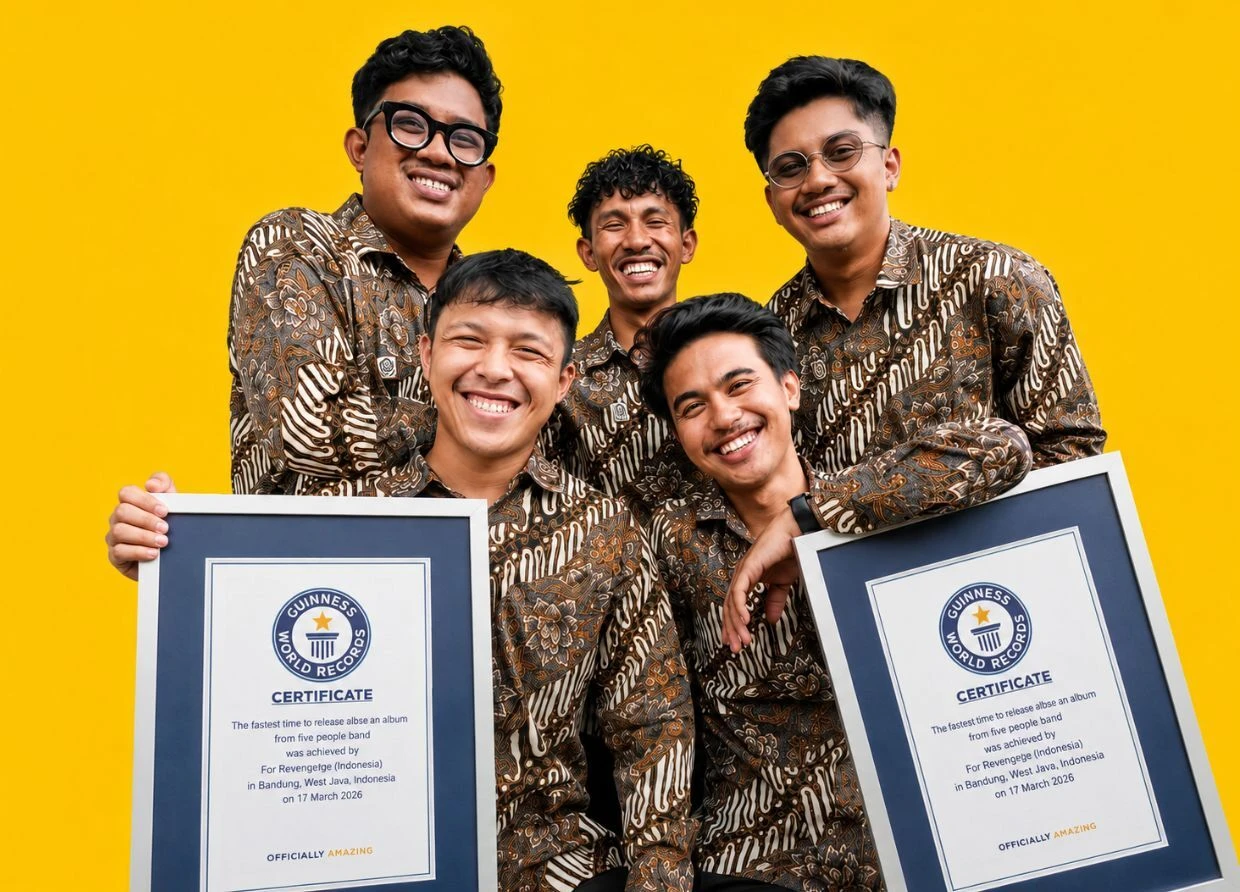



Five guys. Matching batik shirts. Two Guinness World Records certificates. That's the image Pandawara Group posted — and nearly 69,000 likes later, Indonesia is still talking about it.
Pandawara Group is a five-member Indonesian environmental youth collective from Bandung, West Java, known for organizing mass river and coastal cleanups and documenting them on social media. On 29 March 2026, Guinness World Records officially certified them for two simultaneous records: the most TikTok followers for an environmental clean-up group (12,137,822 followers), and the fastest time to remove labels and caps from plastic bottles — a record broken in Bandung, West Java.
They didn't start with ambitions for world records. They started with garbage.
What Did Pandawara Group Actually Break Records For?
The first record is straightforward: no environmental cleanup group on TikTok has more followers. Over 12 million people tune in to watch five young Indonesians wade into rivers choked with plastic and haul it out by hand. The content is messy, physical, and honest — which is exactly why it travels.
The second record is more unexpected. The fastest time to remove labels and caps from plastic bottles — certified on 27 May 2025 in Bandung — turns what sounds like a mundane recycling step into a competitive, documented event. It's the kind of fact you tell someone at dinner because it sounds made up.
Both certificates arrived in matching navy frames. The photos of the group posing with them in their front garden, still wearing batik, feel less like a PR moment and more like a family photo after something genuinely good happened.
Why This Matters Beyond the Social Media Numbers
Indonesia is the second-largest contributor to ocean plastic pollution in the world. That context makes Pandawara Group's rise from local cleanup crew to Guinness record holder feel less like a viral story and more like a signal.
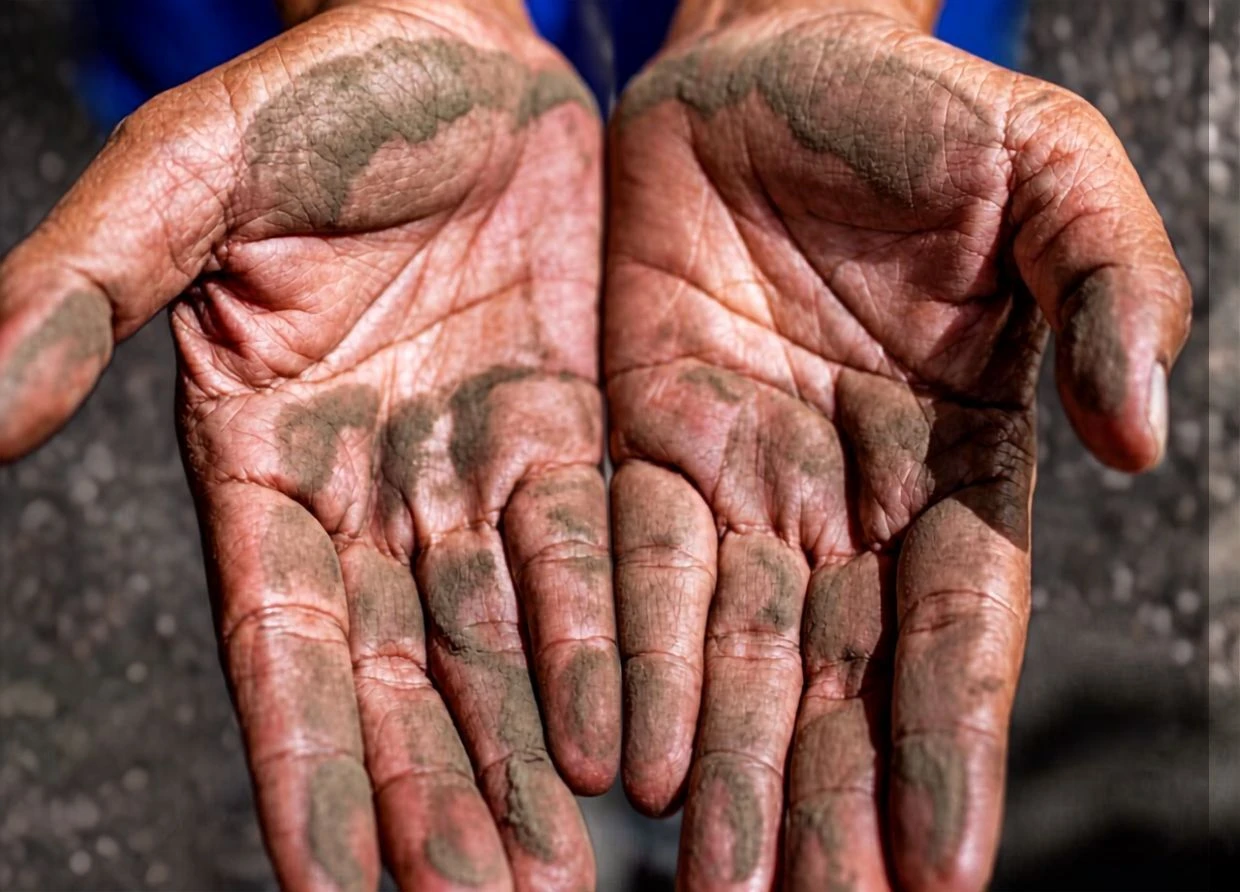
What they proved is that environmental content doesn't have to be grim to build an audience. Their videos smell like river mud and sound like laughter. They show the before — waterways thick with foam and floating waste — and the after, which is sometimes just slightly less terrible, but always real.
The Guinness certifier visited in person, jacket bearing the "Officially Amazing" logo, to hand over the award. That detail matters: this wasn't a digital certificate emailed to a PR team. Someone flew in, stood in their house, and made it official.