
JAKARTA NOW HAS MORE TRAIN STATIONS THAN ANY OTHER CITY IN SOUTHEAST ASIA
Jakarta now has 371 rail stations, more than any Southeast Asian city. Here's what's behind the region's biggest transit expansion.
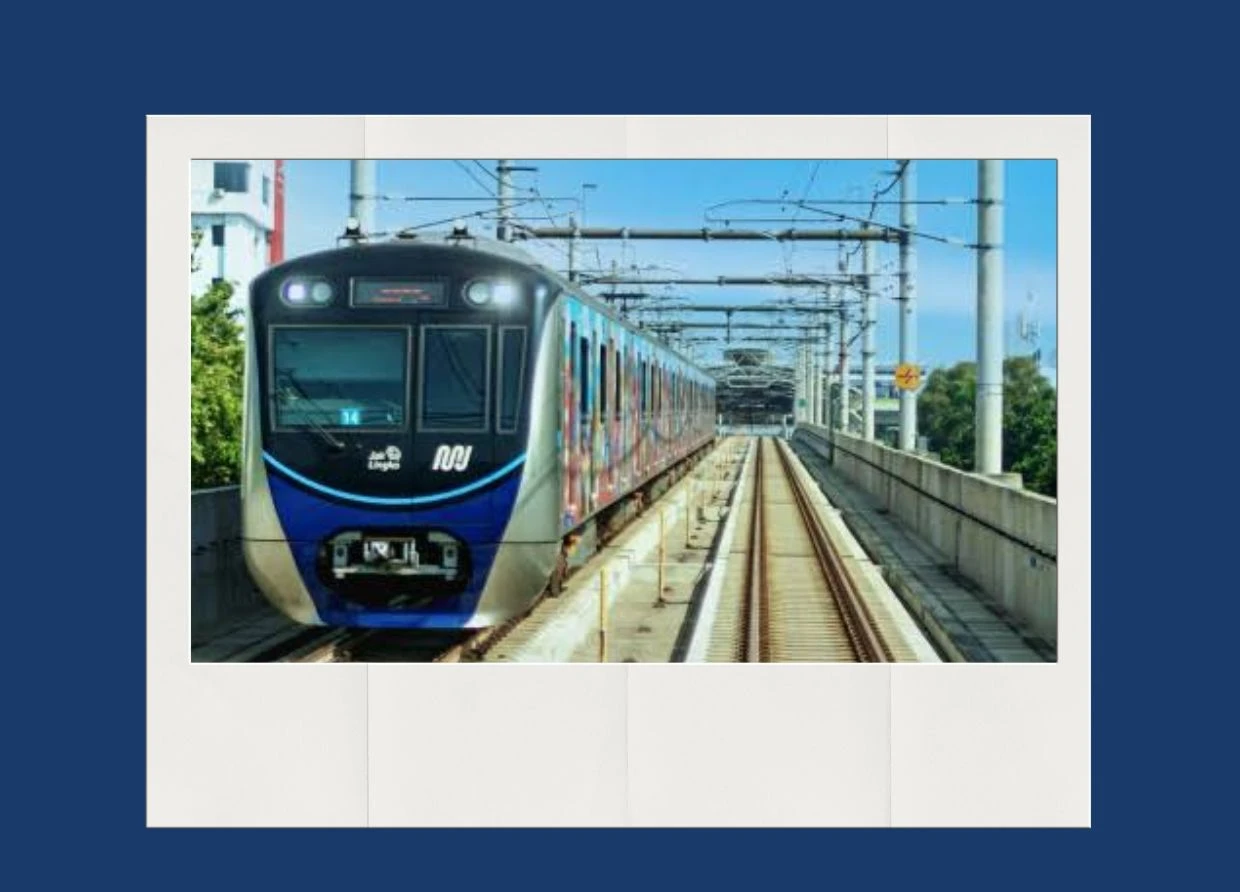




Ten years ago, "Jakarta" and "public transport" barely belonged in the same sentence. Today, the city has 371 operating rail stations — more than any other city in Southeast Asia, including Singapore and Bangkok.
That number comes from Seasia Stats, which tracked stations across every rail mode running in Greater Jakarta: MRT, LRT, KRL Commuter Line, and the airport rail link. It's not a projection or a five-year plan. It's what's running right now, this year, carrying commuters every single day.
What Does "371 Rail Transit Stations" Actually Mean?
The 371 figure covers the Greater Jakarta Integrated Mass Transit System — the combined network of five KRL commuter lines, the MRT North-South Line, the Jabodebek LRT, the LRT Jakarta line in East Jakarta, and the Soekarno-Hatta Airport Rail Link. Together, these systems run across 654.5 kilometers of grade-separated track connecting Jakarta with satellite cities like Bogor, Depok, Tangerang, and Bekasi. The MRT alone opened in March 2019, meaning most of this expansion has happened in under a decade.
At a glance:
- 371 operating rail stations across Greater Jakarta
- 654.5 km of grade-separated railway
- 5 KRL commuter lines plus MRT, LRT, and an airport rail link
- 2019 — the year MRT Jakarta opened, kicking off the modern expansion
Why Did Jakarta's Rail Network Grow So Fast?
The short answer: traffic got bad enough that doing nothing stopped being an option. Jakarta has spent decades near the top of global traffic congestion rankings, with commuters losing hours a day to gridlock on the toll roads ringing the city. The MRT's 2019 launch was the turning point — it proved a metro system could actually get built and used in a city long associated with stalled infrastructure projects. The LRT and expanded KRL lines followed, filling in routes the MRT doesn't reach.
"People still picture Jakarta as one giant traffic jam. They haven't ridden the MRT during rush hour lately — it's air-conditioned, it's on time, and it's packed with people who used to sit in cars."
How Does Jakarta Compare to Other Southeast Asian Cities?
Bangkok's BTS and MRT systems are older and heavily used, and Singapore's MRT is famous for reliability. But by raw station count, neither matches Jakarta's 371. Part of the reason is geography: Jabodetabek — Jakarta plus its satellite cities — is one continuous urban sprawl of over 30 million people, so the commuter rail network has to stretch far beyond the city core just to be useful. More sprawl means more stations are needed to make the system work at all.
What's the Surprising Part?
Here's the twist: Jakarta didn't win on flashy new technology. Much of the network is the KRL Commuter Line, a system that started in the early 1980s and has simply been expanded and modernized station by station. The city's transit story isn't about one shiny new line — it's about stitching together old and new systems until they add up to something bigger than anyone expected.