MICAM MILANO INDONESIA: THE WEBINAR QUIETLY MAPPING LOCAL SHOES' PATH TO EUROPE
MICAM Milano Indonesia: how local shoe brands are pitching Italy's top footwear fair, what European buyers want, and the September 2026 dates.


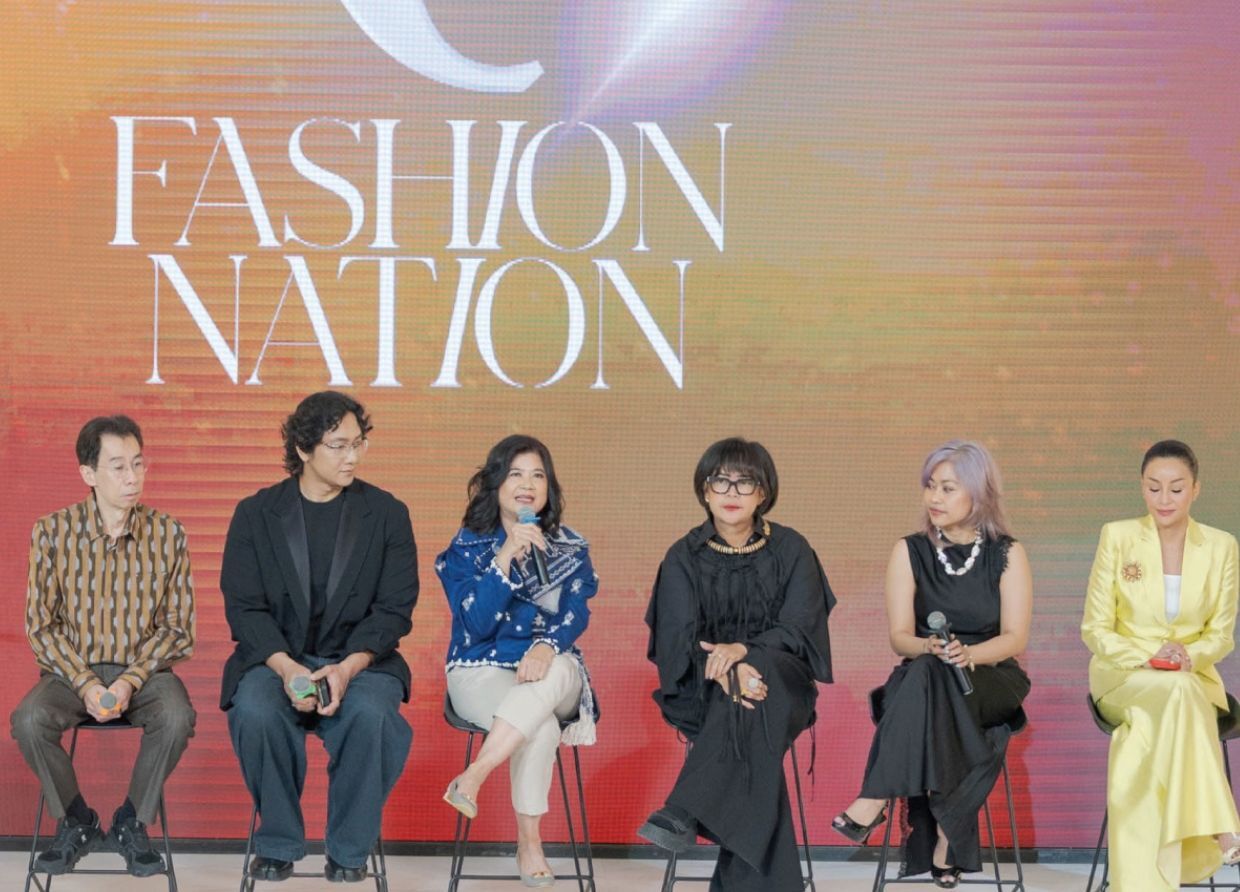
Indonesia is the fifth-largest footwear manufacturer in the world a figure MICAM Milano's own president, Giovanna Ceolini, has used to describe the country. Ask the average European buyer to name an Indonesian shoe brand, though, and most will stall. That gap, between manufacturing muscle and brand recognition, was the subject of a recent MICAM Milano Indonesia webinar, where three local footwear labels sat across from the people who decide what gets shelf space in Europe.
The session brought together Matteo Scarparo, business development lead at MICAM Milano; Orietta Pelizzari, a global trend forecaster who has tracked the fair's direction since 2010; and Paolo Pinto, Trade Commissioner at the Italian Trade Agency in Jakarta. Three Indonesian brands presented: Renault Goods & Co, Axel Shoe & Co, and Prabu Indonesia. It ran online, timed ahead of MICAM Milano's next edition, scheduled for September 13 to 15, 2026, at Fiera Milano in Rho, just outside Milan. Registering as a trade visitor costs nothing. Meeting the minimum order
quantities European retailers expect before they'll place a first order is where the real bill shows up often thousands of euros before a single pair sells.
At a glance
- Next MICAM Milano: September 13–15, 2026, Fiera Milano, Rho
- Indonesia: the world's 5th-largest footwear manufacturer, per MICAM Milano
- MICAM Academy funds a 10-week footwear design course in Milan for 2 Indonesian designers a year
- Forecast cited at the webinar: a $29.7 billion global market for plant-based footwear materials by 2035
What Is MICAM Milani, and Why Does It Matter to Indonesia ?
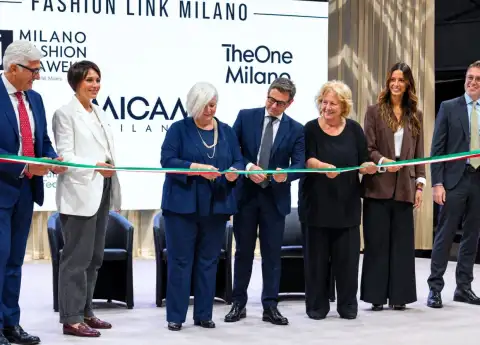
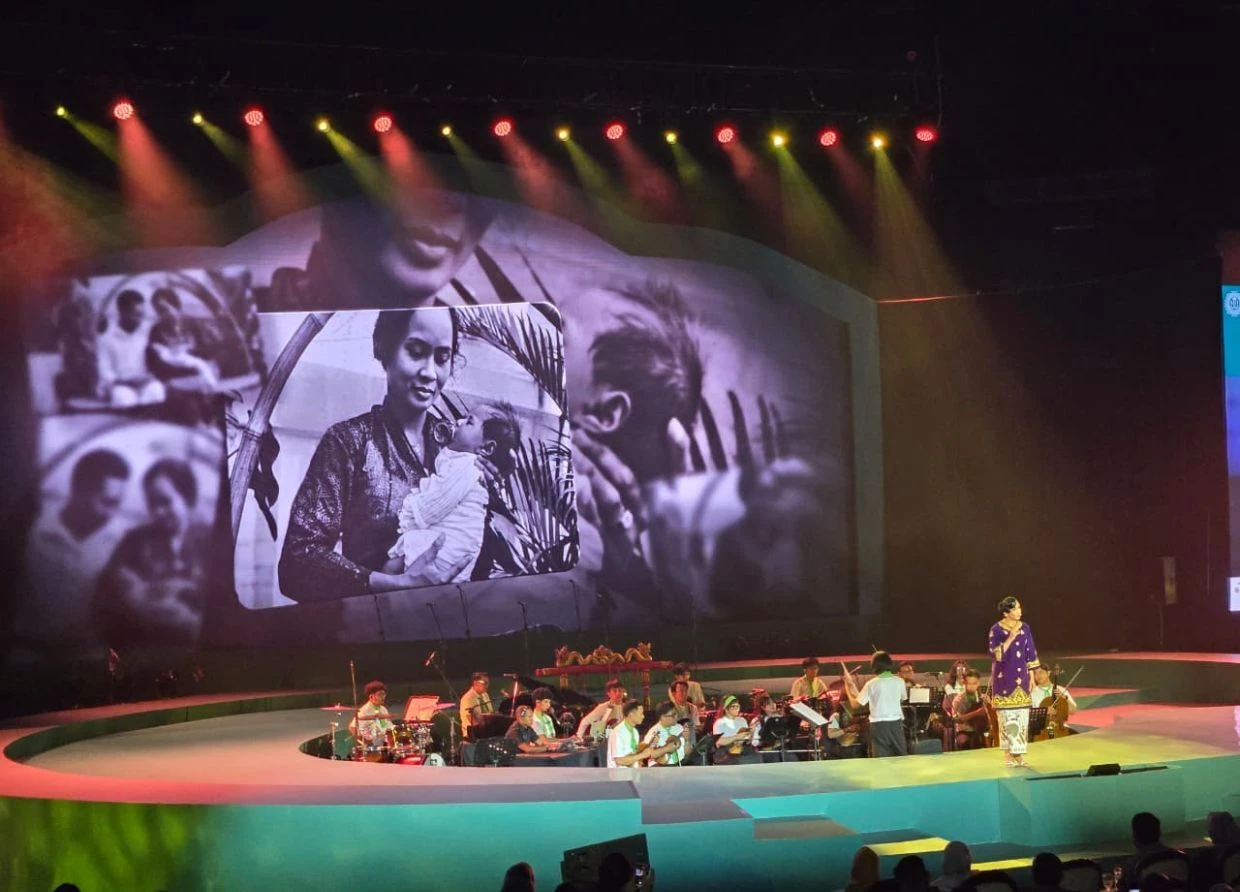
MICAM Milano is the trade fair that sets footwear's calendar twice a year, pulling in more than a thousand brands and tens of thousands of buyers every February and September. For Indonesia, this isn't starting from zero. MICAM and Indonesia Fashion Week, chaired by Poppy Dharsono, already run MICAM Academy, a scholarship sending two young Indonesian designers to a 10-week footwear course at Arsutoria School in Milan each year. Pinto framed the bigger goal plainly during the session: getting Italian manufacturers to see Indonesia as a production partner, not just a market to sell into.
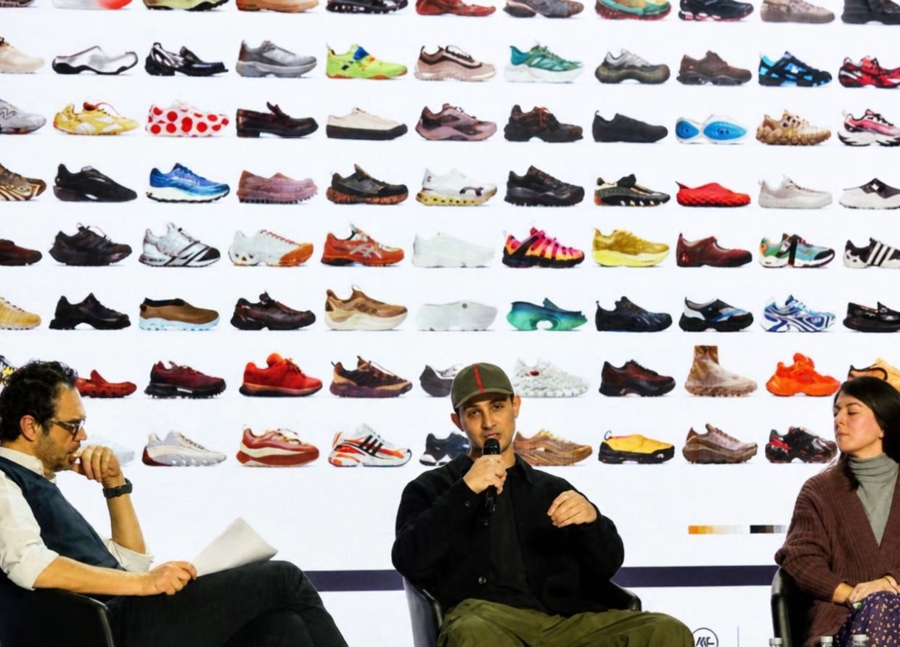
Credit : Instagram MICAM MILANO
What Do European Buyers Actually Want From Indonesian Footwear?
Pelizzari's trend presentation gave the panel its sharpest moment. Buyers care less about logos now, she said, and more about who actually made the shoe. She cited a forecast $29.7 billion market for plant-based and vegetable-fiber footwear materials by 2035, framing traceable, natural sourcing as a purchase driver rather than a nice-to-have. Gen Z customers, in her telling, trust the maker's story over the name printed on the box.
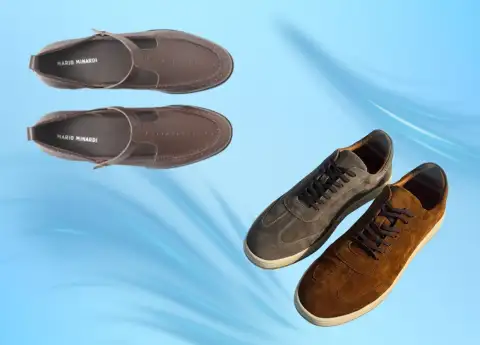
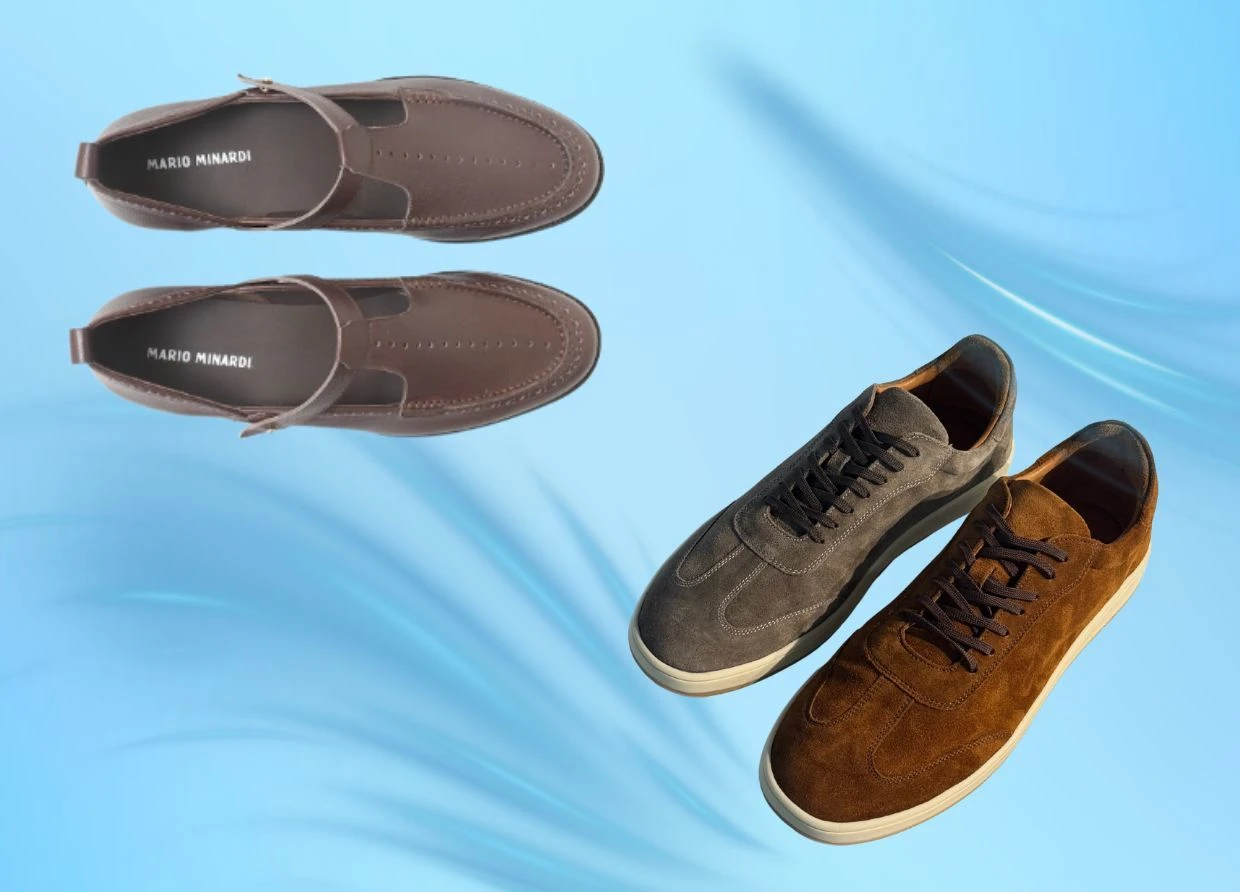
Naviri Ray, founder of Renault Goods & Co, made the point without trying to. His hand-welted boots use leather from Charles F. Stead, a tannery in Leeds running since 1904, sourcing skins from kudu and calf into a finish soft enough to fold like cloth. That's the kind of origin story Pelizzari said Indonesian brands need to lead with, not bury in a spec sheet.
"Europe is not only a market," Pelizzari told the panel. "It's a cultural amplifier."
How Much Does It Cost to Reach a European Buyer?
Patrick, founder of Axel Shoe & Co, named the real obstacle as supply chain costs and minimum order quantities that don't bend for smaller Indonesian manufacturers. Arnoldo, a buyer representing department stores Sogo and Galeries Lafayette under retailer Mitra Adi Perkasa, explained why: Italian brands often ship one capsule order covering every size, and import costs push Jakarta retail prices well past the €400 to €800 those same brands charge at home. Scarparo's advice wasn't about budget it was about patience. Buyers need to see a brand show up for three consecutive seasons at MICAM, he said, before they'll trust it isn't a one-off.
Pelizzari's parting note to the three Indonesian brands was simple: stop trying to cover every category at once. Pick one signature style, document its origin in detail, and let that single product carry the brand into rooms where buyers decide, in seconds, whether a name is worth remembering. (For more on how Indonesian labels are pitching overseas buyers, see thesmedia.id's piece on Jakarta's homegrown leather goods scene and how local streetwear brands are courting international retailers.)