HOW AI AND ROBOTICS IN EDUCATION ARE CHANGING THE WAY INDONESIAN KIDS LEARN
Koding Next and PAIH brought AI and robotics in education to Bali. See what visitors tried at Poland Festival 2026 EdTech and AI Roadshow.



At a glance
- 72.78% Indonesians using the internet in 2024 (BPS)
- 43.98% Share naming education and learning as a reason to use AI (APJII, 2025)
- 6 Learning experiences shown at the booth
- 4 Indonesian cities on the Poland Festival 2026 route
Step onto a floor and it reacts to every move you make. Walk a few steps, and a camera turns you into a blue robot in real time. That was the scene at the Koding Next booth on Thursday, 5 November 2026, where AI and robotics in education became something visitors could try, not just hear about.
What is the Poland Festival 2026 EdTech and AI Roadshow?
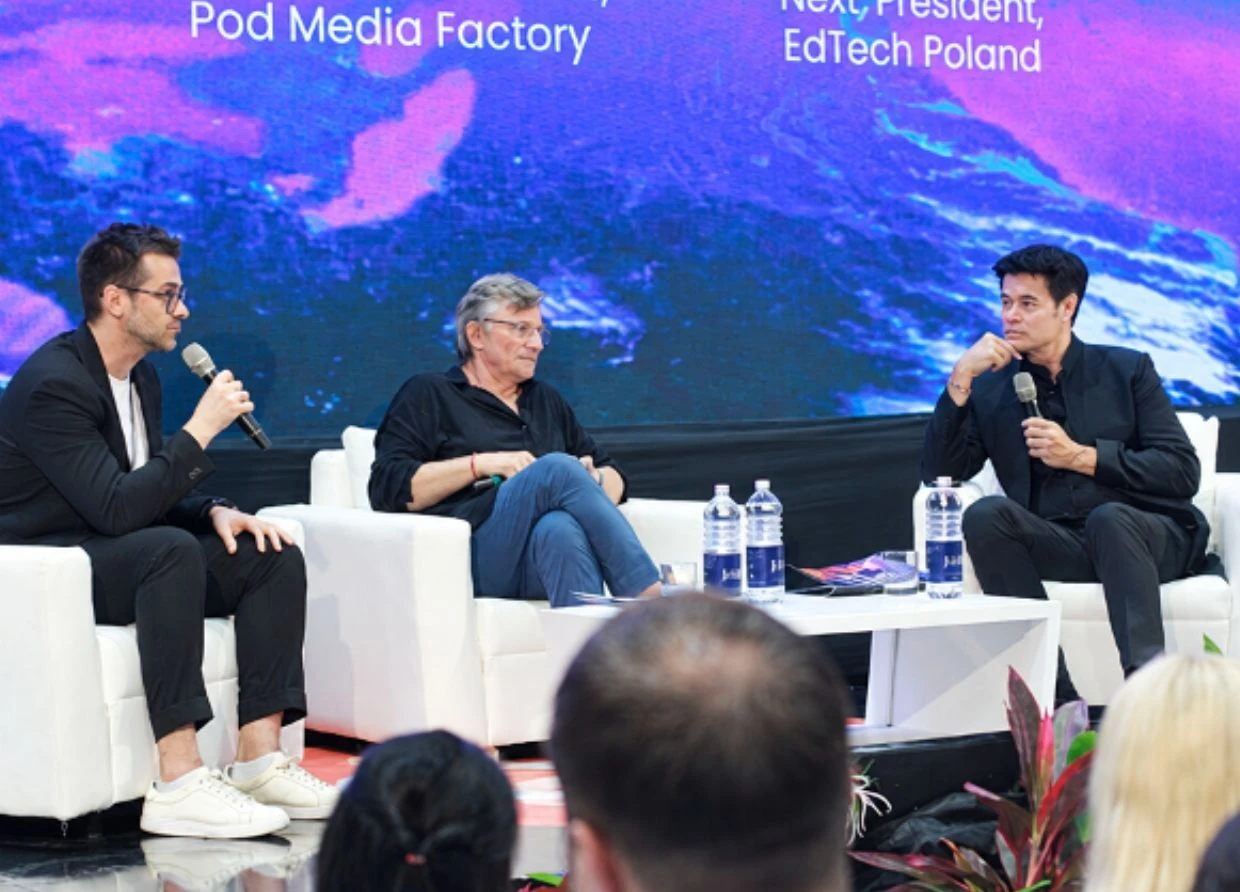
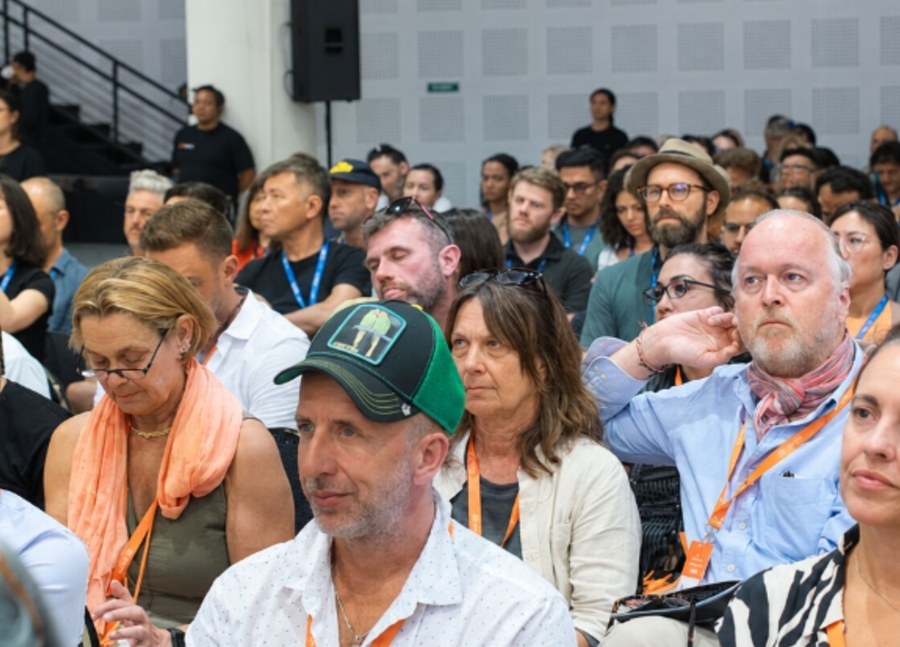
The Poland Festival 2026: EdTech & AI Roadshow is a joint project between Koding Next, a tech education institute for kids and teens, and the Polish Investment and Trade Agency (PAIH), a Polish government body that helps Polish companies grow abroad. It took place at the Koding Next booth in the Labyrinth Area of Nuanu Creative City, Bali, as part of the Genius Future Summit. It started at 14.00 WITA on Thursday, 5 November 2026. The press release does not mention a ticket price.
Why does AI and robotics in education matter in Indonesia right now?
Here is the contradiction. Indonesians are online and already using AI, yet the organisers say the real problem is not devices. Statistics Indonesia (BPS) reported that 72.78% of people used the internet in 2024. A 2025 survey by APJII, the Indonesian Internet Service Providers Association, found that 43.98% of respondents used AI for education and learning.
The gap is skill. Students and teachers need to use technology critically, creatively and responsibly, not just own the gadgets.
What could visitors actually try?
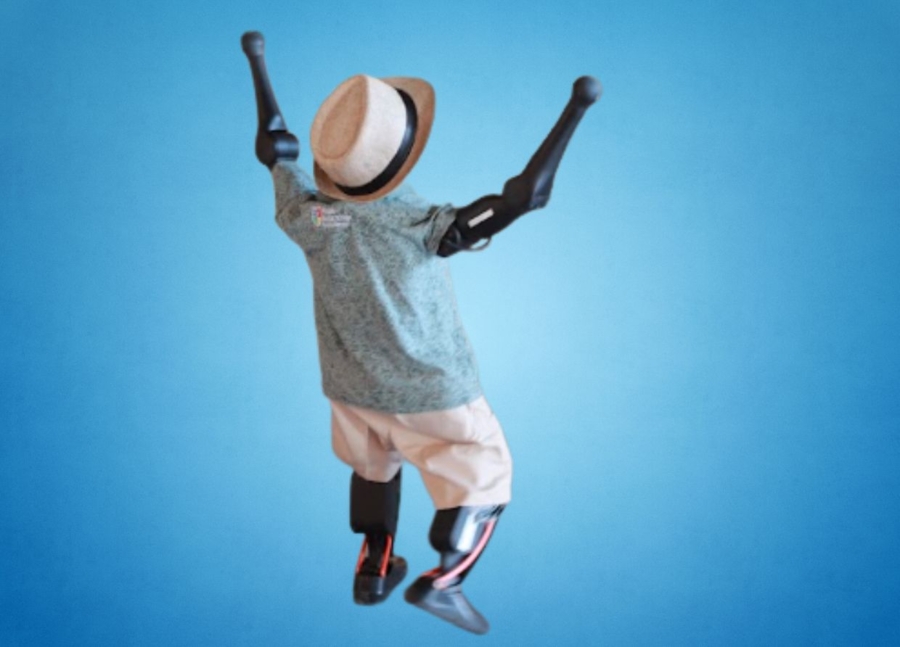
The booth’s idea was simple: learn by doing. FunFloor is an interactive floor with motion sensors, a camera and a projector that respond to your movement, so a game becomes a workout. Photon is a robot that kids program with basic instructions. It teaches coding and computational thinking, which means breaking a problem into clear steps.
WhalesBot goes deeper into STEM. Students design, build and command robots while meeting basic AI ideas. Discovery Lab is the most hands-on, with science experiments, robotics, engineering and creative projects where kids ask questions and test ideas.
Then there was Become the Character. Cameras follow your head and hands and swap you for a blue robot on screen. You can record a short clip and take it home on your phone. It is playful, and it also shows how AI handles visuals live.
“We believe that technology can play an important role in shaping the future of education.”
Cezary Filipek, Head of Office, Polish Investment and Trade Agency (PAIH)
Is AI literacy more important than the tools?
The organisers say yes. AI is not only a machine for making images, text or video. Young people need to understand how it works, where it fails, how accurate it is, and what it means for privacy and ethics. Students should not simply accept whatever the tool gives them.
The booth also featured The Pod Media Factory, a Bali-based studio for professional podcasts, video and audio. It was there to make a point: digital skills also mean turning ideas into content.
Why is Poland bringing edtech to Indonesia?
Poland Festival 2026 is described as Poland’s biggest promotional programme in Southeast Asia. It runs through November in Bali, Jakarta, Surabaya and Kupang, covering education, FMCG and digital innovation. The goal is stronger economic and business ties between the two countries.
Here is the part worth sharing: a government trade agency chose to open that pitch with a kid’s robot and a floor that plays back.
The bigger question is not whether young people can use today’s tools. It is whether they can understand, judge and build tomorrow’s.