MODERN KEBAYA: WHAT MUST STAY WHEN FASHION CHANGES
Modern kebaya can wear jeans and sneakers, but UNESCO says its skills and knowledge must survive. Here's what to keep and what to change.



AT A GLANCE
- 5 countries nominated kebaya together: Brunei, Indonesia, Malaysia, Singapore and Thailand.
- December 2024: UNESCO listed kebaya knowledge, skills, traditions and practices as intangible cultural heritage.
- 1970s to 1990s: the decades when kebaya's fabric, cut, detail and shape changed the most.
- 3 "pakem" traits: an open front, a symmetrical left-right structure, and a pattern that follows the body.
Picture a kebaya worn with loose jeans and chunky platform shoes. Now picture a kebaya that nobody knows how to cut, embroider or sew. Only one of these is a real problem.
That is the idea behind "Kreativia," a campaign by Indonesia's creative economy agency, Ekraf, posted on Instagram (@ekraf.ri) in early September 2026. Its question is simple: if kebaya can change, what must stay the same?
View this post on Instagram
What Is Modern Kebaya?
Modern kebaya is the traditional Southeast Asian women's blouse-dress, updated in fabric, cut and styling for today's life, from casual days to formal events. It is worn across Indonesia, Malaysia, Singapore, Brunei and Thailand. UNESCO recognised kebaya as heritage in December 2024, and Ekraf's campaign, tied to Indonesia's 81st Independence Day, asks how to keep it alive. There is no fixed price. A simple ready-to-wear top and a hand-embroidered piece cost very different amounts, because the price follows the hours of skilled work.
Has Kebaya Always Changed?
Yes, and that is the first surprise. UNESCO notes that kebaya has followed women's lifestyles across Southeast Asia, from daily wear to formal occasions.
Between the 1970s and 1990s, its fabric, cut, detail and shape all shifted. Those changes helped kebaya show up at parties and formal events. Change is part of its story, not a threat to it.
How Far Can You Change a Kebaya?
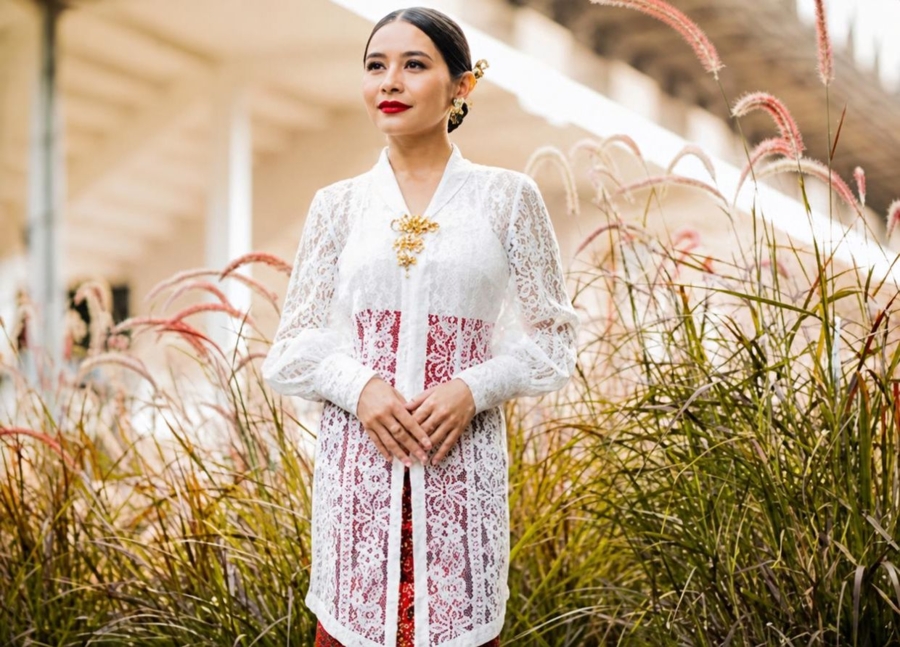
Quite far. Ekraf's examples include a cream lace kebaya with wide jeans and a red clutch. Another is a floral kebaya jacket with a polka-dot skirt and a pink bow in the hair. A third is a soft pink kebaya with ruffled sleeves and a sash, styled with a hijab. Korean-style looks are on the list too.
"Even as the form keeps evolving, the knowledge behind it must keep living."
— Ekraf, Instagram campaign post (translated from Indonesian)
What Is the "Pakem" That Should Stay?
Pakem means a standard reference point. For kebaya, Ekraf points to three traits: an open front, a left-right structure that mirrors itself, and a pattern that follows the body's shape.
Even this leaves room to play. Kebaya length changes depending on the type, so designers still have space to experiment.
What Is Actually Being Protected?
Here is the counterintuitive part. The UNESCO listing does not protect one silhouette. It protects knowledge and skills: choosing fabric, making patterns, sewing, embroidering, and the many ways of wearing it.
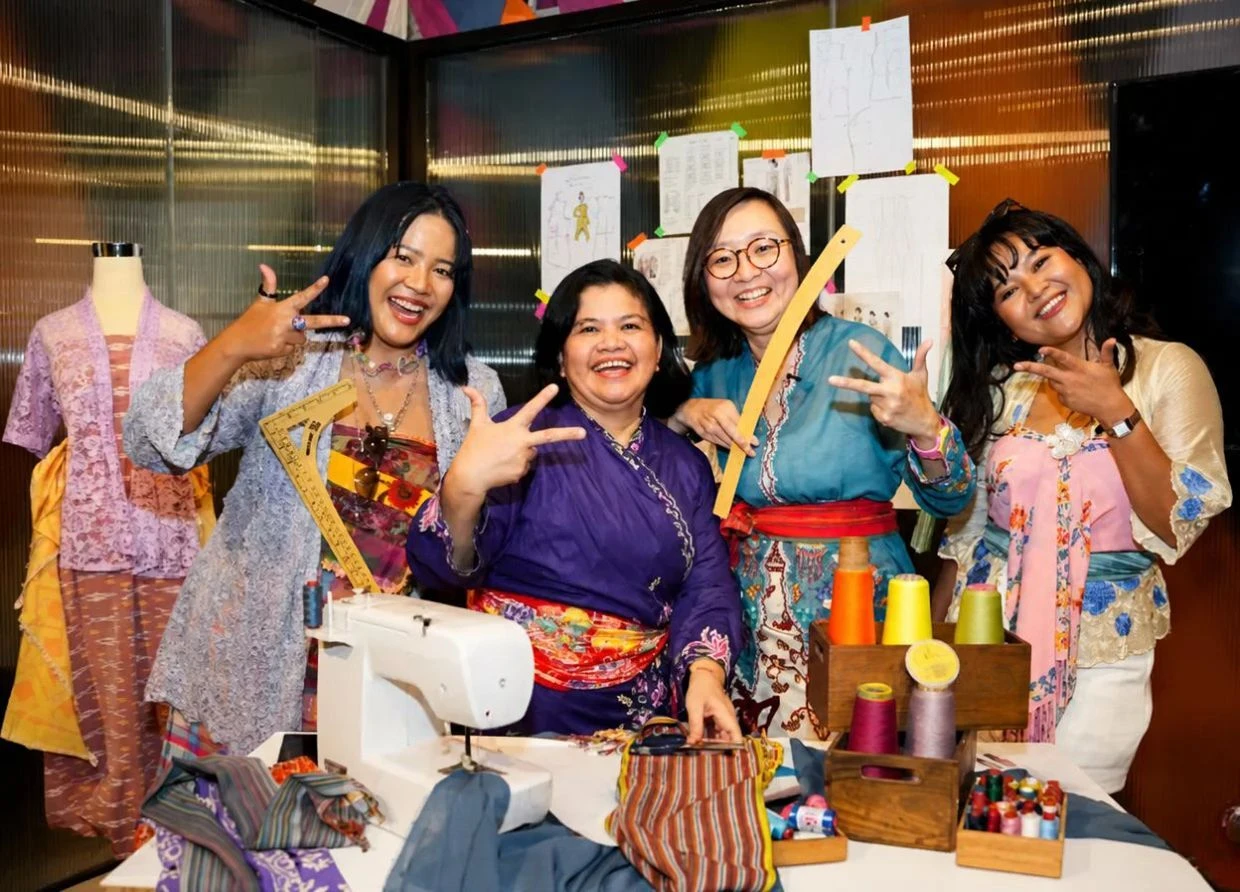
You can see this in Ekraf's photos. Pattern sketches are taped to a glass-panelled wall with neon tape. A Singer sewing machine sits on a wooden table. Spools of orange, yellow and pink thread fill a crate stamped "Originals," and sheer blue fabric pools over the edge.
Who Keeps Kebaya Alive?
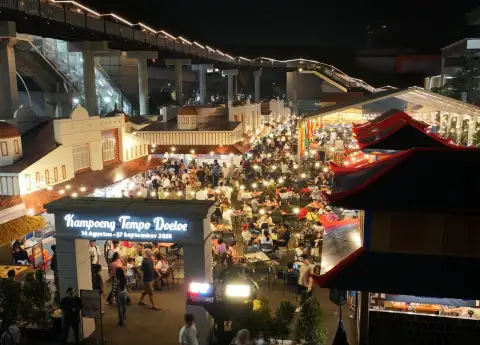
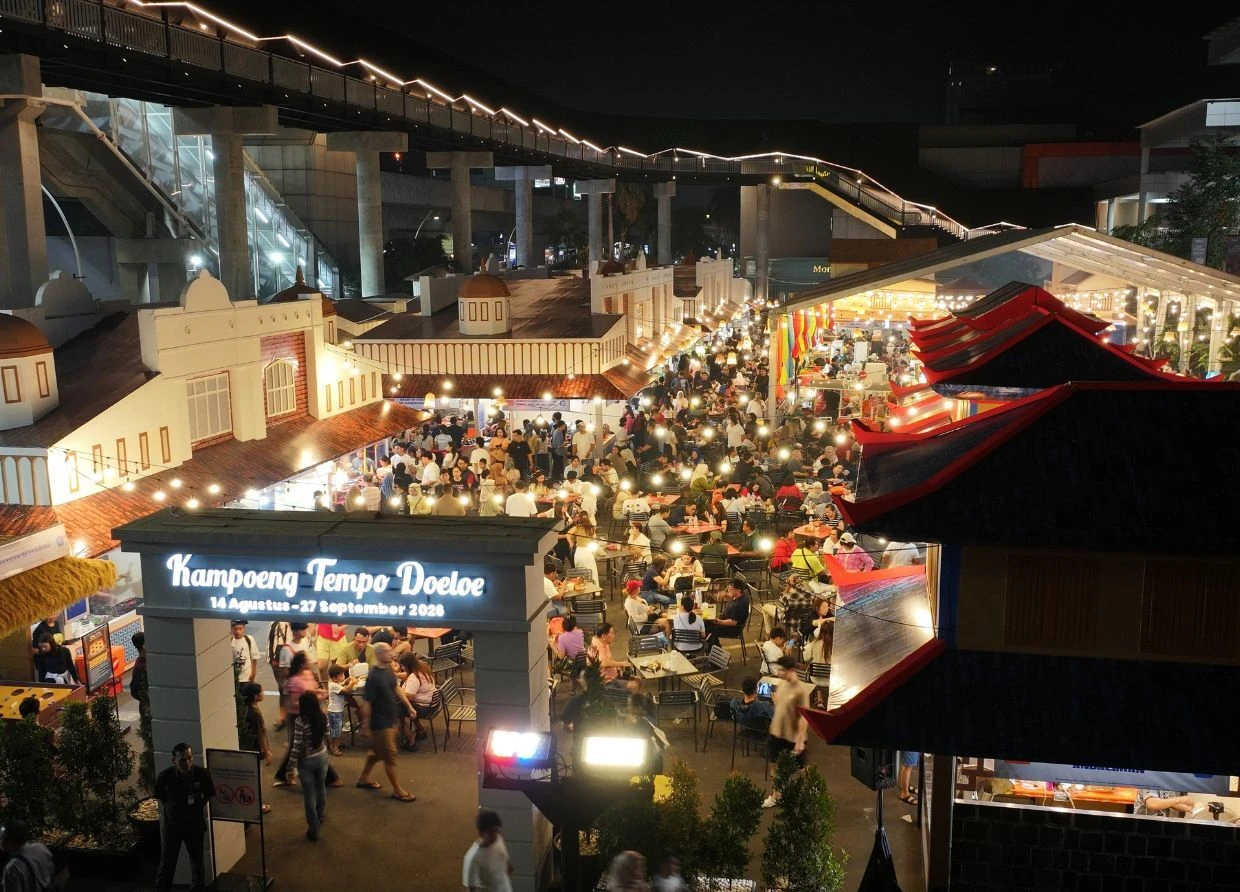
Ekraf names four groups. Designers explore shape and silhouette. Craftspeople handle detail and technique. Tailors turn designs into wearable clothes. Business owners bring the results to the public, as at the crowded "Kita Berkebaya" fair shown in the campaign.
Take away any one of these and the chain breaks. That is why the campaign ends with a question for readers: do you wear classic pakem kebaya, or an everyday version? Either way, you are part of the chain.